
Török Ervin (1977) egyetemi adjunktus, a Vizuális Kultúra és Irodalomelmélet Tanszék oktatója. Több folyóirat (Lk.K.T., a Helikon egyik tematikus száma, Apertúra) szerkesztésében közreműködött, közreműködik. Tanulmányai, fordításai irodalomtörténeti, -elméleti folyóiratokban (Alföld, Literatura, Helikon, Filológiai közlöny), tanulmánykötetekben és az Apertúra online folyóiratban jelentek meg. Társszerzője a Bevezetés az epikai szövegek és narratív film elemzésébe című könyvnek (Füzi Izabellával közösen). Aktuális kutatási területe az irodalmi szatíra valamint szatíra és film kapcsolata.
- Balogh Gyöngyi - Király Jenő: „Csak egy nap a világ...". A magyar film műfaj- és stílustörténete. Magyar Filmintézet, Budapest, 2000.
- Eisemann György: Mikszáth Kálmán. Korona, Budapest, 1998.
- Fabienne Liptay: Üres helyek a filmben. A kép és a képzelet összjátékáról. Ford. Fám Erika. Apertúra, 2008. nyár http://apertura.hu/2008/nyar/liptay
- Füzi Izabella - Török Ervin: Bevezetés az epikai szövegek és a narratív film elemzésébe. In http://szabadbolcseszet.elte.hu/mediatar/vir/index.html
- Gelencsér Gábor: Forgatott könyvek. Adaptációk az 1945 utáni magyar filmben (vázlat). In Apertúra 2006 tél (2. szám) http://www.apertura.hu/2006/tel/gelencser/index03.htm
- Hajdu Péter: Csak egyet, de kétszer. A Mikszáth-próza kérdései. Gondolat-Pompeji, Budapest-Szeged, 2005.
- Karácsony Sándor: A cinikus Mikszáth. Hét krajcár, Budapest, 1997.
- Marc Vernet: Holtlelkek portréja. Fordította Füzi Izabella és Kovács Flóra. Apertúra, 2008 ősz. http://apertura.hu/2008/osz/vernet
- Michel Foucault: A bolondság története. Atlantisz, Budapest, 2004.
- Mikszáth Kálmán: Beszterce ostroma. In Mikszáth Kálmán Összes Művei. Regények és nagyobb
elbeszélések. (MKÖM), VI. kötet. Akadémiai, Budapest, 1957. - Milián Orsolya (szerk.): „A Noszty fiú esete Tóth Marival". Gondolat-Pompeji, Budapest-Szeged, 2008.
- Nemeskürty István (szerk.): A film ma. Budapest, Gondolat, 1971.
- Northrop Frye: A kritika anatómiája. Fordította Szili József. Helikon, Budapest. 1998
- Robert L. Carringer: Az Aranypolgár készítése. In Metropolis 2000/2. http://emc.elte.hu/~metropolis/0002/carringer6.htm
- Roland Barthes: Mitológiák. Fordította Ádám Péter. Európa, Budapest, 1983.
- Sigmund Freud: A vicc és viszonya a tudattalanhoz. In Sigmund Freud: Esszék. Gondolat, Budapest. 1982.
- Slavoj Zizek: The Pervert's Guide to Cinema. Sophie Fiennes, 2006.
- Szalay Károly: Humor és szatíra Mikszáth korában. Magvető, Budapest, 1977
- T. Szabó Levente (Mikszáth a kételkedő modern. Történelmi és társadalmi reprezentációk Mikszáth Kálmán prózapoétikájában. L'Harmattan, 2007.
- Wolfgang Iser: A fiktív és az imaginárius. Fordította Molnár Gábor Tamás. Osiris, Budapest, 2001.
- Wolfgang Iser: Der Implizite Leser. Wilhelm Fink, München, 1972.
- Beszterce ostroma. (Keleti Márton, 1948)
A dolgozat egy adaptációs viszonyt vizsgál: Mikszáth Kálmán Beszterce ostroma című regényét hasonlítja össze Keleti Márton azonos című filmjével. A regény és a film más és más hagyománytörténés részei: Mikszáth regénye Jókai és Dickens, Keleti a 30-as évek magyar filmvígjáték hagyományát folytatja tovább, e hagyomány betetőzésének számít. A dolgozat azt vizsgálja, hogy Keleti filmje ennek a filmkészítési tradíciónak a kontextusában hogyan alkotja újra Mikszáth regényét. A narratív szegmentáció és a narratív távolság vizsgálata során az válik felismerhetővé, hogy Mikszáth regénye miként szólal meg a filmkomédia nyelvezetén, másrészt ez az adaptációs kapcsolat teszi lehetővé a 30-as évek filmnyelvezetének az önreflexióját. Ugyanakkor e kreatív újraformálás révén a Mikszáth szöveg ambivalenciája is láthatóvá válik, amely a maga pre-reflexív szatírája, távolságtartó és egyben azonosulásra felszólító implikatív struktúrája révén egyszerre enged meg nosztalgikus-tragikus (pl. Keleti Márton) és a felszabadult játékosság móduszában megfogalmazott olvasatokat.
Már jó ideje foglalkoztat (kíváncsivá tesz, dühít, izgat) az, ami jobb híján Mikszáth Kálmán szövegei szatirikus nyelvi magatartásának nevezhető. Egyrészt azért, mert Mikszáth szövegeinek nyelvi modalitása a XIX. századi elbeszélői irodalom egy igen specifikus formájának tűnik. Másrészt, mert amennyiben diszkurzívvá akarjuk tenni, és ugyanakkor nem a kijelentések tárgyának a szintjén vizsgáljuk ezt az attitűdöt [1] („miről beszél”, mi az, amiről Mikszáth gunyorosan, cinikusan, megbocsátó humorral, stb. nyilatkozik), akkor rögvest megfoghatatlanná, kísértetiessé válik. Ami leginkább és egyértelműen rögzíthető Mikszáth írásaiban, az a sokat és sokféleképpen vizsgált „élőbeszédszerűség”, anekdotikus elbeszélői mód, „elbeszélői kedv” és hasonlók, amelyek inkább azt az amúgy banális tényt teszik láthatóvá, hogy Mikszáth szövegei sokszor kritikus hangvételűek, pamfletszerűek, humorosak és gunyorosak.
De miként lehet számot vetni e szövegek „érezhető”, de nehezen artikulálható tonalitásával, amire leginkább a szatíra szó illik, és ami a legkevésbé sem merül ki a szó köznapi értelmében vett kritikai magatartásban? Miben áll a Mikszáth szövegek szatírája, ha az nem azonos az elutasító, távolságtartó, a beszéd tárgyához képest önmaga többlettudását és kívülállását állító beszélői pozícióval, a „militáns iróniával” [2]? Mikszáthot olvasva mindenki megtapasztalhatja e szövegeknek azt a zavarba ejtő sajátosságát, hogy noha azonosulva idézik fel a Jókai-féle románc narratív sémáit, a szövegek mégsem oldódnak fel ezeknek a sémáknak a működtetésében. És ez fordítva is igaz: noha szinte minden nagyobb lélegzetvételű Mikszáth-szöveg telis tele van a távolságtartásra irányuló olvasói utasítással, ezek mindig inautentikusnak bizonyulnak, amelyekről mintha a beszélő is megfeledkezne, és a szövegek folyamatosan „visszahanyatlanak” a totalizáló narratív alakzatok formájába. Mikszáth szövegeinek ez a végtelen ambivalenciája, románc és reflexió szervetlen, azaz nem reflektált váltakozása a szó szoros értelmében úgy viszi színre (később látni fogunk rá példát) önmagunk elváltoztatásának igényét, szerep és identitás viszonyát, hogy az a legkevésbé sem ragadható meg a schilleri naiv és szentimentális tudat dichotómiájával.
Mikszáth szövegeinek ezt a „szavak alatti”, strukturális szatíráját fogom vizsgálni egyik regénye, a Beszterce ostroma kapcsán. Fontos megjegyezni, hogy amit itt szatirikus nyelvi attitűdnek nevezek, az e szövegek pre-reflexív szintjén érhető tetten. Az elemzések során nem kizárólag a szöveg poétikai felépítettségét vizsgálom, nem csak azokat a retorikai, motivikus stb. nyelvi viszonyokat, amelyek e szövegek jelentésviszonyait artikulálják, hanem inkább e szövegek „hangoltságát”, e szöveg jelentésviszonyainak strukturális mintázatait, amelyek csak közvetett módon vannak hatással mindarra, amit e szövegek „értelmének” tekintünk.
Az ismétlés az értelem előfeltétele. A hatás- és recepcióesztétika szerint egy adott műhöz hozzátartozik az utóélete is: ezek szerint megérteni egy alkotást nem csupán annyit jelent, hogy megpróbáljuk egy adott történeti kontextus összefüggésében kibontani és rögzíteni azokat az értelmezési összefüggéseket, amelyek mintegy megképezik az adott alkotás szövetét, hanem egy adott alkotáshoz hozzátartozik az az alakulástörténet, ahogy átdolgozások, aktualizációk révén és az általánosabb recepciós folyamat során kialakul és átalakul egy adott mű olvashatósága. Ezért nem(csak) a regénynek, a Beszterce ostromának szeretném az olvasatát nyújtani, hanem egy olvasat olvasásán, egy adaptációs viszony értelmezésén keresztül szeretnék beszélni a regényről. Egy 1948-as filmadaptációt, Keleti Márton Beszterce ostroma című filmjét tekintem tehát a Mikszáth-regény értelmezőjének, [3] amely a regény egy igen sajátos olvasatát adja. A két alkotás között voltaképpen csak különbségek vannak; e különbségek formája, mikéntje, hatóköre az, ami e vizsgálódás szempontjából egyedül érdekes, ugyanis éppen a minden szinten fellelhető tektonikus eltérések azok, amelyek az egyik és a másik alkotás relatív azonosságát kölcsönösen kijelölik.
Kezdjük mindjárt annak a megállapításával, hogy a két Beszterce ostroma közvetlenül nem összehasonlítható. Nem csupán azért, mert mindjárt adódik annak a mediális váltásnak a kérdése, amely e két művet egymástól elválasztja, hanem azért is, mert ezek az alkotások egészen különböző hagyománytörténések részeit képezik. Míg Mikszáth szövege Jókai felől olvasandó, és Dickens kortársa (még akkor is, ha kronológiai értelemben ez csak részben igaz), addig Keleti filmje a magyar filmtörténet egy meglehetősen drámai pillanatában készült – annak egyik meghatározó töréspontján, a 30-as évek elején indult magyar vígjátékfilm hagyomány és a sematikus filmkészítés (1948-1953) korszakának cezúráján lett leforgatva. Keleti filmje a 40-es, 50-es években készült azon adaptációk sorába tartozik, amelyek klasszikusokhoz nyúltak vissza (Mikszáth, később Jókai), és éppen ez a visszanyúlás tette számukra lehetővé egy ideológiailag már nem támogatott filmkészítési mód továbbéltetését. Keleti filmje, alkotóik személyében (pl. ennek a filmnek is az az Eiben István az operatőre, aki a 30-as évek operatőr iskolájának egyik legmeghatározóbb egyénisége), cselekményvezetésében, képi megvalósulásában, narratív rendjében egy olyan filmi világ egyik utolsó, de ugyanakkor nem anakronisztikus képviselője, amely az ilyen adaptációk formájában részlegesen megőriz egy korábbi filmkészítési gyakorlatot.
„Az ilyen típusú adaptációk története – írja Gelencsér Gábor – egészen a tízes évek »presztízsfilmjeiig« nyúlik vissza, folyamatosan jelen van a hangosfilm korai szakaszától 1945-ig, s mint láttuk, az 1945-ös újrakezdés is hasonló munkákhoz kötődik. Nem véletlen, hogy ezeket a filmeket 1945 után is elsősorban a korábbi filmtörténeti korszakban iskolázott rendezők készítik (Bán Frigyes, Keleti Márton, Gertler Viktor, Apáthi Imre), s adaptációs rutinjuk kisebb-nagyobb kihagyásokkal a hetvenes évek közepéig nyomon követhető a magyar film történetében (e filmkészítői módszer utolsó képviselője, illetve filmje Várkonyi Zoltán 1976-os Fekete gyémántok című Jókai-adaptációja).” [4]
Mint azt Gelencsér finoman megjegyzi, ezek az adaptációk sem egészen mentesek attól az ideológiai irányváltástól, amely a magyar film e korszakára jellemző: míg az 50-es években a „a »gunyoros« Mikszáth és a »kritikus« Móricz” [5] szövegei kerültek feldolgozásra, később Jókai írásai válnak ennek az adaptációs hullámnak a tárgyává. Ugyanakkor, ha összehasonlítjuk Keleti filmjét egy másik, ebben az időszakban készült filmmel, például a Ludas Matyival (Ranódy László, Nádasdy Kálmán, 1949; amely minden dogmatikus irányzatossága ellenére máig megőrizte elevenségét), akkor szembetűnővé válik az a hatalmas különbség, amely Keleti filmjét a 48-al kezdődő időszak ilyen típusú filmjeitől elválasztja. Ez a különbség nemcsak az ideológiai beállítódás szintjén (Keleti filmje ebből a szempontból viszonylag semlegesnek tekinthető), hanem minden egyébben is tetten érhető.
A Beszterce ostroma a 30-as évek „glamúrfilmjeinek” [6] hagyományait folytatja tovább, a világítástól, a színészvezetéstől kezdve a dramaturgiai vonalvezetésig, a vágástól a felhasznált nagyobb narratív szerkezetekig. A 30-as évek magyar filmvígjáték hagyománya „szinte Hollywoodnál is hollywoodiasabb” [7] volt, írja Király Jenő és Balogh Gyöngyi, és ezen nemcsak a kölcsönös egymásra hatás folyamatát értik, hanem így jellemzik az egész korabeli filmkészítési gyakorlatot. Először is, ezek a filmek végtelenül konzervatívak, abban az értelemben (is), hogy bizonyos meghatározott sémák konzerválásában és újrahasznosításában érdekeltek, anélkül a kísérletező kedv nélkül – teszi hozzá az említett szerzőpáros -, amely Hollywoodot akkoriban jellemezte. A kialakulóban lévő sztárkultusz (a magyar filmiparnak nem sikerült olyan stabil karakterpárosokat forgalomba hozni, mint amerikai társának), a műfaji sémákból építkezés, a varietékből és a Vígszínházból átörökített karaktertípusok, a (barthes-i értelemben vett) mitémák variációja a korabeli magyar filmipar ipari jellegét emelik ki. A film nem művészetként, hanem a szórakoztatóipar részeként jelenik meg, a maga jellegzetes közép-kelet-európai zsánereivel. [8] Érdekes módon, ha valaki ennek a korszaknak a filmjeiről akar beszélni, akkor kiemelhet ugyan egyes filmeket (Hyppolit, a lakáj, A kölcsönkért kastély, Meseautó, stb.), de ezek nem csak és nem elsősorban egyedi megvalósulásukban, hanem ismétlődésükben érdekesek. A 30-as évek filmjei egy közösen beszélt nyelv megvalósulásai, ahol a nyelvi jellegen, és nem az egyes megvalósulások szingularitásán van a hangsúly. Ebben a kontextusban fontos megemlíteni a fanyalgást e filmek szellemi kvalitásait illetően, aminek a szele e filmtörténeti korszak legjobb ismerőseit is időnként meglegyinti: ezek a filmek az általános megítélés szerint egész egyszerűen laposak. A kötelező happy end, a rétegspecifikus szorongások kicsapódása jellemkomikus szerepkörökben, a letűnő nemesi kultúrához ambivalensen viszonyuló polgári ideálképzés, a „közepesség” abszolút egyeduralma (közepes intenzitású kihívások, konfliktusok, szereplőtípusok) a kikapcsolódás, a szabadidős foglalkozás területéhez csatolja ezeket a filmeket. Technikai szempontból nézve ugyanakkor ez a filmkészítési gyakorlat erőteljesen elmozdul a profi filmkészítés, a kiszámított hatás irányába. Keleti filmje ennek a filmkészítési gyakorlatnak az örököse: inkább a 30-as, 40-es évek műfajfilmjeinek a kortársa, nem pedig a termelési filmekéi. Mint „presztízsfilm” voltaképpen e filmkészítési gyakorlat kiteljesítésének számít.
Miként íródik át Mikszáth szövege ebbe a filmkészítési hagyományba? Már az elején érdemes leszögezni, hogy Keleti filmje esetében kreatív újraalkotásról van szó, amely – mint azt korábban említettem – a Mikszáth-regény egy sajátos olvasatán alapul (tegyük mindjárt hozzá, hogy bizonyos értelemben minden adaptáció kreatív újraalkotás, tekintve, hogy lehetetlen egy mediális konfiguráció egyes jeleit közvetlenül átvinni egy másikra). Ha jobban megnézzük ezt az adaptációs viszonyt, akkor talán világossá válik az a zavarba ejtő összefüggés, hogy a film Mikszáth regényének néhány poétikatörténeti összefüggésére különösen fogékony, míg másokra nem, és egyben létrehoz egy olyan kontextust is, ahonnan nézve Mikszáth regénye egészen új értelmet nyer. Próbáljuk meg áttekinteni azokat a területeket, ahol ez az adaptációs kapcsolat vizsgálatra kerül.
A film a narratív szegmentáció és a dramaturgiai megformálás szintjén nemcsak felidézi, hanem voltaképpen túlírja, kiegészíti és a lehetőségei határáig viszi a „helyettesítések játéklehetőségét” [9]. Ami a romantikus alkotások egyik meghatározó poétikai jellegzetességének számít, és ami Mikszáth szövegeinek mint posztromantikus alkotásoknak is sarkalatos pontja, tudniillik hogy mind a fabuláris összefüggések, mind pedig a narratív hang szintjén kölcsönös tükrözések, megkettőzések, szupplementáris jelentésviszonyok jönnek létre, az a filmben egy időben kiterjedtebb komédiai hagyomány felől kerül megidézésre. A filmben minden szereplőnek, karakternek, helyzetnek, időnként még az egyes beállításoknak is megvan a maga párja, komplementere – az egyes komplementerek pedig egymásba fordulnak, kölcsönösen kommentálják, kizárják egymást, stb. A filmben mindenből kettő van: báróból, nőből, a gróf mindeneseiből, szimbolikus apából (a gróf, az írnok), szeretőből (Milán, a gróf), színészi performanszból és így tovább. A megkettőződések, a film jeleinek szupplementáris összekapcsolódásai egyrészt a komikus bemutatás alapvető eszköztárához tartoznak, de ugyanakkor nem merülnek ki a komikus hatás szolgálatában.
Az összehasonlító vizsgálat egy másik, ezzel összefüggő területét az olvasói/nézői szerepnek a bemutatott eseményekbe történő bevonásának, egyszerűbben megfogalmazva a narratív távolságnak a kérdése képezi. Ez a regény és film esetében nem szimmetrikusan kezelhető felvetésekhez vezet. A narratív távolság kérdéseként a Mikszáth regényben a női szereplők bemutatását és az olvasó elcsábításának a viszonyát, a filmben a fikció önreflexióinak kérdését vizsgálom. Ez utóbbi példájaként a filmben bemutatott két hangsúlyos színházi alakítás, a Beszterce követeit alakító színészek performanszát és a film egyéb jeleneteit (az egyik, Apolkához kapcsolódó flashbacket és a film végén látható, a gróf megőrülését/kvázi tragikus elbukását bemutató jelenetet, valamint a film egyik nyitó és az azt visszhangzó záró, vagyis a filmet bekeretező ruhatár-jelenetet) vizsgálom. A narratív távolság vizsgálata során irányító kérdésként a jelek fikcionális funkcióinak a különböző megítélése szolgál. Mindkét műben voltaképpen legalább két „előadás” zajlik: egyrészt a keretfikció, valamint az elsődleges fikción belül Pongrácz illúziószínháza, amelynek fikciós jelei mindkét műben meglehetősen ambivalensen viszonyulnak az elsődleges fikció fikcionális karakteréhez. E művek „teatralitása” (noha magának a kifejezésnek meglehetősen eltérő konnotációi vannak a regény és a film esetében) az, ami a narratív távolság, a narratív „hang” kérdéseként jelentkezik.
Az összehasonlító vizsgálat harmadik területe az őrület és beszéd viszonyának értelmezése. Hajdu Péter szerint az őrület, Pongrácz István őrültségének kérdése a regényben amolyan „csaliként” szolgál, amely kérdés elbizonytalanítására (ti. hogy bolond volt-e a gróf, vagy sem) nagy energiákat mozgósít az elbeszélés, és amelyre „a recepció nagyrészt ráharapott” [10]. Anélkül, hogy bármilyen ítéletet is próbálnék megfogalmazni ebben a kérdésben, két dologra szeretném felhívni a figyelmet. Egyrészt, hogy a regényben igen sok, egymásnak ellentmondó narrátori kommentár, leírás, szereplői megnyilatkozás olvasható, amelyeknek közös vonása, hogy a létező legheterogénebb, az őrület beszédének legkülönfélébb diskurzusait idézik fel. Olybá tűnik, mintha Mikszáth szövege olyan barkácsolásban, mozaikos építkezésben lenne érdekelt, amely a legkevésbé sem tartja tiszteletben a koherencia, az értelmi és diszkurzív szelekció igényét. A mikszáthi barkácsolást ugyanakkor nem lehet tisztán deskriptív értelemben kezelni. A Mikszáth-regény tulajdonképpeni szatírája voltaképpen abban áll, hogy egyrészt felfüggeszti azokat a diszkurzív határokat, amelyek kezelhetővé tennék az értelemmel bíró és az értelem nélküli demarkációját, másrészt viszont az önelváltoztatás igénye, a szerepjáték, a társadalmi-kulturális szimbolikus cselekvésekhez való viszony ebből következően radikálisan ambivalenssé válik. Pongrácz alakja révén, aki a szerepjáték abszolút imperatívuszát, a radikális fikció (azaz minden referenciális vonatkozás nélküli fikció) etikáját követi, a regényben éppenséggel nem különálló narratív (és kognitív) világok jönnek létre, [11] hanem az egyes szimbolikus cselekvések lokalizálhatósága és fikcionális érvénye válik ingataggá (mi számít kulturálisan érvényes cselekedetnek). A film a Mikszáth-szöveg radikalitásához képest konzervatívabb nézőpontot képvisel, másrészt azáltal, hogy a kezdődő modernista film jeleivel korlátozza vagy ellensúlyozza saját illúzióképző modalitását, egy egészen új perspektívába állítja a mikszáthi történetet.
Összefoglalva tehát, három összefüggésben fogom ezt az adaptációs viszonyt vizsgálni. Először a narratív szegmentálás és dramaturgiai megformálás szintjén a film olvasatát mutatom be a regény ellenpontozó szerkesztéséről. Második körben a narratív távolság kérdését vizsgálom, amely a film esetében a fikció, fikcionalitás önreflexiójának vizsgálatát jelenti. Legvégül pedig beszéd és őrület vagy másként fogalmazva a szimbolikus cselekvésekhez való viszony értelmezését vizsgálom a regényben és a filmben.
(Narratív szegmentálás, dramaturgiai elrendezés)
A film a regény egy olyan szerkesztési elvét hangsúlyozza ki, amelyet a Mikszáth-szakirodalom az utóbbi időben egyre gyakrabban emelt vizsgálódásai homlokterébe. [12] Ez pedig a regénynek (tegyük hozzá, ez az eljárás nem ennek a Mikszáth-regénynek az egyedi vonása, hanem minden nagyobb szövegének meghatározó technikája) az egymást tükröző ismétlések iránti vonzódása. A film újrahasznosítja ezt a technikát, ami egy igen különös eredményhez vezet. De lássuk először, hogy miben nyilvánul meg a spekuláris (narratív) szerkezetek újrahasznosítása.

Mindenből kettő van (Beszterce ostroma. Keleti Márton, 1948)
Az első és egyben legfontosabb metódus, ahogy a film forgatókönyvírói (Békeffy István, Hárs László) újrakomponálták Mikszáth szövegét, az a szigorú ellenpontozó szerkesztésben ragadható meg. Ez a karakterek, a szimbolikus pozíciók, a bemutatott események, a narratív szintek, a parabolisztikus olvasat lehetőségét megteremtő nyitó és záró jelenet, a beékelt fikció-a-fikcióban jelenet, sőt, az egyes jelenetek váltogatásának a szintjén is tetten érhető. Az adaptáció a szimmetrikusan spekuláris elrendezésre épül, és messze túlfut a regény megoldásain (abban ugyanis ez nem mindig érvényesül, sőt, a regény döntő pontjain éppenséggel elmarad). Az ellenpontozó szerkesztés, a szereplők, a helyzetek, a jelenetek, a beállítások párokba rendezése a film központi eljárásává válik, olyannyira, hogy ez helyenként a regény cselekményvázának a korrektúrájaként hat. Ami a karaktereket illeti, nemcsak a fő-, hanem a mellékszereplők szintjén is ez a megoldás működik. A regény első fejezetében Estella megvásárlásának a története (hogy legyen a várnak úrnője) a kivonatos narráció részeként kerül bemutatásra, ami a tulajdonképpeni cselekmény előtörténeteként felvezeti a később történteket. A filmben Estella története már a bonyodalom részeként jelenik meg: Estella alakja a másik hősnőnek, Tarnóczy Apolkának az ellenlábasa (a varieté hősnője, az affektáló, alsóbb társadalmi osztályhoz tartozó női szereplő és a tulajdonképpeni tragika, a szende és egyben elérhetetlen hősnő egymás ellenpontjait képezik). Ugyanúgy, a két Behenczy báró szerepének exponálása (előbb az öreg báró, később a fiú ejti át a másikat) szintén a szerepkörök tükörszimmetrikus elrendezésére utal. [13] A filmben Pongrácz mindenesei szintén párban lépnek fel, és Pongrácz gróf szerepének képezik a komikus ellenpárját (ahogy Sancho Panza a Don Quijotéjét). A film nyitójelenete, az eljátszott ostrom lefújása egy félreértés miatt (a harcoló felek között fehér zászlóval jelennek meg Zsolna vármegye adóvégrehajtói, hogy behajtsák Pongrácz gróf adóhátralékát, Pongrácz emberei őket vélik az „ellenség” békeköveteinek) felvezeti a két tisztán komikus szereplőt, a két adóvégrehajtót, akiket Pongrácz gróf következetesen „kutyákként” szólít („Térdre, kutyák!”). A regényben a konfliktus a gróf és a vármegye között (Pongrácz bikákkal vereti szét a Tarnóczy Milán kiszabadítására küldött hajdúkat) jóval később, a cselekmény egy teljesen más pontján jelenik meg. A filmben a két komikus szereplő (akik mint burleszk-figurák a slapstick comedy-ből kerültek be a filmbe) mintegy ellentételezi Pongrácz „hősi” szerepét, aki egy másik, emelkedettebb szinten válik a paródia tárgyává.
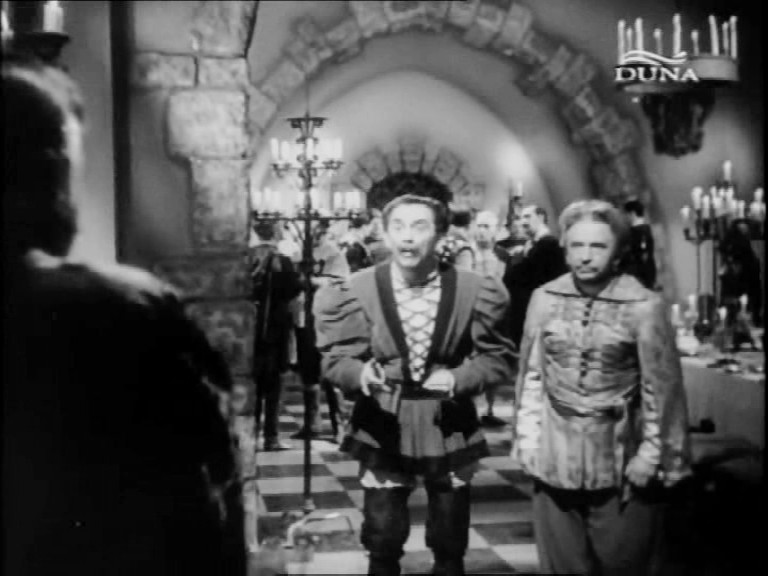
Egymás duplikátumai (Beszterce ostroma. Keleti Márton, 1948)
Ez a két mellékszereplő egyben a Pongrácz mindeneseit alakító szereplőpárosnak is a duplikátuma, akik a maguk részéről Pongráczot helyettesítik, vagy éppen a gróf ellenlábasaivá, konkurenseivé válnak (pl. abban a tisztán komikus jelenetben, amikor mind ők, mind István gróf titokban virággal akarnak udvarolni Apolkának, és a lány helyett egymással találkoznak). A filmben nemcsak a szereplők, hanem az általuk betöltött szerepkörök is szigorúan ellenpontos szerkezetűek: a gróf és Apolka udvarlója kétszer találkoznak, és mind a kétszer ez a találkozás szembesítésként, két szerelmi rivális dominanciaharcaként jelenik meg. Már itt körvonalazódni látszik a filmbeli spekuláris szerkesztés egyik alapvető funkciója: a komikus hatásfunkció kiemelése. A szereplőpárok egymás visszhangozása révén ugyanis létrejön a szerepkörök egy olyan kvázi hierarchikus szerveződése, amelynek középpontjában az „őrült” gróf alakja és színjátéka áll, míg az összes többi szereplő ahhoz mérten nyeri el a maga funkcióját.
A regényben ez sokkal összetettebb és egyben ambivalensebb viszonyként tételeződik. A regény második fejezetében Klivényi, Apolka nevelőapja, miután kútba esett a terve, hogy Apolkát eladja az idősebb Behenczynek, felajánlja a lánynak, hogy az éppen akkor meghalt feleségének az örökébe léphet, vagy ahogy az írnok fogalmaz, a nevét adja neki. A gróf szintén felajánlja Apolkának a névadás lehetőségét, csakhogy nem férjként, hanem apaként. Ugyanakkor teljesen világos, még ha kimondatlanul is marad (sőt, éppen azért), hogy a gróf nemcsak apaként gondol a lányra, hanem szerelmi szenvedélye elérhetetlen és kvázi fikcionális tárgyaként. A regényben a névadás és az incesztus mindvégig, alig leplezetlenül jár párban: Tarnóczy vagy Trnowszky Miloszláv nem mellesleg első unokatestvére Apolkának; a két Behenczy a regény utolsó fejezetében együtt „csipegetik” Estellát, akit majd az ifjabb báró szabott áron ad el Milánnak, az ügyvédnek, hogy a becserélt nővel válthassa ki leendő menyasszonyát. Így Miloszláv is „vásáron” szerez asszonyt, ahogy a gróf tett szert mind Estellára, mind Apolkára. A regényben a két lánynak sokkal nagyobb a forgalma, mint a filmben, ráadásul ez a forgalom nemcsak a tulajdonviszonyok területén valósul meg, hanem a tulajdoni viszony és a szeretetviszony területe között is, amiből következően a becserélések és felcserélődések inherens határátlépéseknek minősülnek: az apa, a szerető, a férj, az (unoka)testvér nemcsak cseréket végeznek, hanem mint szerepek maguk is felcserélődnek (ami legalábbis kétségbe vonja a cserék feltétlen jogosságát). A regényben a névadás ígéretén keresztül a gróf nemcsak a nagylelkű hős, hanem a rossz, a megrontó apa szerepéhez is közel kerül. Már az elemzésnek ezen a pontján érdemes megemlíteni a regénynek azt a különös jellemvonását, hogy amit (szín)játéknak, eltávolított szerepjátéknak vagy éppenséggel hóbortnak minősítenénk (és amit a regény szereplői is gyakran alapot nélkülöző szerepnek, vagy esetenként fikciónak vagy éppen a XVIII., XIX. század klinikai diskurzusát felidézve elmebajnak tartanak), az a szereplők, a szituációk közötti összecsengések folytán elveszíti egyértelmű megítélhetőségét – a közösen bemutatott és értelmezett szerepjátékokban ugyanis valamennyien osztoznak. Mikszáth Besztercéje alapján meglehetősen nehezen lehet tisztán fikciós cselekvésről beszélni, másrészt a regény alapján a fikciós cselekvések alapvető heterogenitására, inkoherenciájára következtethetünk.
A film a regény szereplői között megképződő metaforikus és diszkurzív felcserélődéseket szembenállásokká alakítja át. Azáltal, hogy az öreg és fiatal, nemesi és polgári „kérő” melodrámai (és részben komikus) szerelmi konfliktusára, az Apolkáért folyó versengésre redukálja a szereplői pozíciók konfliktusát, egy olyan binaritásra korlátozza a regény alapkonfliktusát, amely annak melodrámai rétegéből adódik. A szerepek végletes kétértelműsége, amely a regényre jellemző, ahol minden pozíció egy másik, azt kizáró vagy veszélyeztető (a testvér és a szerető, az apa és a szerető, „csak” megjátszott és ténylegesen érvénybe lépő) pozíció szupplementuma, a film „tudatalattijába” kerül át, amelyre a filmből csak a regény ismeretében/olvasása során lehet következtetni.
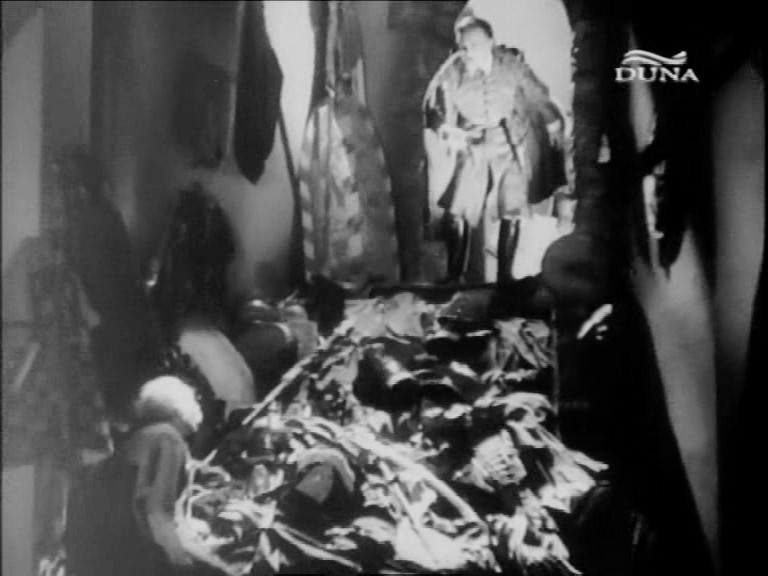
Akár egy barokk allegória (Beszterce ostroma. Keleti Márton, 1948)
Nemcsak az egyes szerepek, a narratív vázlat, hanem a narratív megformálás szintjén is érvényesül a filmben a fentebb tárgyalt oppozicionális szerkesztés. A regényben a gróf őrületével végtelen sok reflexió, megjegyzés, kommentár foglalkozik, amely reflexiók egyrészt különböző narratív szintekhez tartoznak, másrészt kölcsönösen felfüggesztik egymást. Nem úgy a filmben: a film eleji, előhangként szolgáló inzert szövege („A Pongrácz család története tele van középkori fénnyel, ragyogással. Olyan ez a családi történelem, mint egy mélységes mély tó. Aki belenéz, belemereng, ha nincs erős feje, megszédül. És István grófnak nem volt erős feje, és nagyon mélyen belenézett…”), ami a regény bevezetőjének két szöveghelyéről van összevágva, később szereplői kommentárként is megjelenik. Az ismétlés kiemeli, és kvázi kanonizálja, tételszerűen megerősíti azt, ami a regényben egy lehetséges értelmezésként jelenik meg. Az inzertben kiemelt metaforát (a múlt mint „mélységes mély tó”) a film egy parabolisztikus érvényű jelenet megismétlésével mélyíti el (ennek nincs előképe a regényben.) A film elején a két adóvégrehajtót leviszik a „ruhatárba”, hogy történelmi kosztümökbe öltözhessenek. A vén és vaknak (!) tűnő ruhatáros (mintha a borgesi vak könyvtáros metaforáját előlegezné meg a film) XIV. századi rablólovagoknak öltözteti be őket. A ruhatáros monológja („Mennek a ruhák, mennek, majd visszajönnek. Az ember elvész a ruhából, de a ruha visszajön.”) egy újabb értelmezői kontextussal gazdagítja az extradiegetikus narráció metaforáját. Ez a jelenet ismétlődik meg a film végén, amikor a gróf, már halála küszöbén, benyit a ruhatárba, ahol a ruhatárosban, aki egyedül maradt a várban, sorstársára ismer. A ruhatáros második monológja az első monológ szövegét visszhangozza („Minden mindegy, ókor, középkor. Csak a ruhák, csak a ruhák változnak. Az emberek elmennek, de a ruhák megmaradnak.”). A második jelenet ikonográfiája a melankólia- és a vanitatum-ábrázolások ikonikus elemeit idézi fel. A sötét tónusú kép, a tér lehetséges megnyílását lezáró gróf alakja, a lépcsőfokokon üldögélő öregember, a lépcsőn szétszórt ruhák a (társadalmi-kulturális) szerepek fölérendelt érvényét és ennek tragikus hangoltságú konklúzióját mutatja. Amit kiemelendőnek tartok, hogy a film a narratív szintek közötti viszonyok hierarchikus elrendezésével, majd a beékelt parabolával a Mikszáth-regény tragikus olvashatóságát, az önmaga és a világ szerepeinek labirintusában eltévedt ember ikonográfiáját hangsúlyozza, és ha csak egy villanás erejéig is, megelőlegezi Welles Perét. A film többi része, elsősorban a melodrámai részek (pl. Apolka flashbackje, Apolka monológja, amelyben leleplezi a gróf „téveszméjét”, majd a gróf számára felkínált polgári menedék, Milán és Apolka románca) és a komikus betétek (pl. az Estella alakjához, a gróf mindeneseihez, valamint a Behenczyekhez kapcsolódó részek) nem feltétlenül támogatják a Mikszáth-regényről adott ilyen olvasatot, emiatt akarva-akaratlanul a filmet éles és egymással nem harmonizáló hangnemváltások határozzák meg. Éppen ezért a film egységét nem a jelenetek viszonylag összetartó műfaji-hangvételbeli összhangja, hanem az ellenpontozó szerkesztés biztosítja.
A film egyik legmeghatározóbb ismétlése a regényben is igen hangsúlyos elem: a színésztársulat által eljátszott besztercei követség előadása. Pruzsinszky, a gróf kijelölt lengyele, felkéri a színi direktort, hogy játszanák el a Beszterce ellen induló hadaknak a Beszterce behódolását hírül vivő követséget. A hasonlóságoknak a film és regény között ezzel az egyszerű történetvázlattal vége is szakad. A filmben a színészek nagyjelenete a kaszinóban zajlik, ahová a grófot az ügyet elsimítani kívánó rokon behívja. Itt István felsőbbsége tudatában először visszautasítja a követséget, majd megpillantva Apolkát elfogadja a követek ajánlatát. A regényben a követek fogadását igazi ceremónia előzi meg, ami maga is a színjáték része. A gróf kikeresi a legmegfelelőbb helyszínt, felvonultatja a seregeit, fáklyákat gyújtat, hogy minden a lehető legpompásabban történjen:
De felmerült ott [a Pongrácz gróf által összehívott haditanácsban] sok más kérdés is, a ceremóniára nézve. Csatarendben legyen-e a sereg, lovon üljön-e István gróf, vagy valami fatönkön? Igen ám, csakhogy a fatönkhöz tigrisbőr kellenék, amivel be lehet teríteni. Az pedig nincs, hát csak hadd üljön a vezér nyeregben. [14]
A regényben legalább akkora súly esik a követek által hozott szimbolikus ajándékokra, a földre, vízre, fűre, mint az Estella helyett felajánlott túszra. A regényben a hangsúly, csakúgy mint a korábbi ironikus-parodisztikus csapatszemle esetén, nem a kezdődő melodrámára, István gróf „kivirágzására” [15] esik, hanem arra az eljátszott színjátékra, amelynek Pongrácz István nemcsak szereplője, hanem egyben a fő rendezője. Szemben a filmmel, ahol a grófot kvázi megtévesztik a követséggel, a regényben ez a színjáték, a követek fogadása olyan darab, amelyben mindenki valaki mást alakít, és amiben mindenki a saját elmaszkírozásában, megrendezésében érdekelt. Apolka itt nem több mint egy néma záradék, aki nélkül nincs előadás, a referencia „bikaszarva”, az egyetlen reális elem, aki/ami nem bír semmilyen realitással.
Apolka kiszabadítását is hasonló színjátékkal akarják kivitelezni. A nagy különbség a regény és a film között, hogy a regényben ez a második, az elsőt visszhangzó és egyben azt folytató játék elmarad. Megtörténnek az előkészületek, csakhogy – a regényben – István gróf a folytatást egy olyan előadással helyettesíti, amely képes a színjátékok meglepetésével szolgálni. Hatalmas koporsót készíttet önmagának és Waterloo nevű lovának, megszervezi a közönségét (meglátogatja a szomszédos földesurakat), majd a küldöttség megérkezése előtt megmérgezi magát. A filmben a kikényszerített szimbolikus gesztus, Apolka visszacserélése a tulajdonképpeni követelésre az, ami István gróf szimbolikus öngyilkosságához vezet. A regényben a gróf egy újabb előadást, színjátékot eszel ki, amely felülírja a korábbi színjáték játékszabályait, amely szabályok alapján és ismeretében próbálják a „túszcserére” rávenni. Ami a filmből a szimmetrikus építkezés folytán eltűnik, az a szimbolikus, azaz a mintha-szignál által jelölt cselekvésmintákhoz való eltérő igazodás Pongrácz és a „világ” részéről.
Mikszáth nagy témája, a dzsentri-világ által játszott álarcosbál; ezekben a szövegekben újra és újra felveti, és különböző módokon minősíti azt a közös játékot, amelyben ez a társadalmi réteg érdekelt. [16] A Beszterce esetében ennek az (össz)társadalmi játéknak – amely szerepek, történetek és egyáltalán, önmaguk előadását implikálja az ehhez a réteghez hozzátartozó vagy ahhoz hasonulni akaró osztály(ok) figurái részéről – egy sajátos aspektusa villan fel. A gróf ugyanis elsősorban nem abban különbözik az őt körülvevő világtól, hogy egy anakronisztikus szerepet akar eljátszani, [17] hanem abban, hogy folyamatosan fenntartja a fikciós aktus hatályát, amely révén mindig egy újabb imaginárius mozzanat türemkedik be a már ismertként elfogadott világba. [18]
István gróf a korábbi fikció remediumaként, a fikcionális aktus újra hatályba léptetése érdekében egy újabb fikcióhoz folyamodik; a Beszterce követeivel való megállapodás fikcióját egy másikkal, a grandiózus halál fikciójával cseréli fel. A regényben mindig újabb és újabb „ötleteket”, fikció kezdeményeket hoz forgalomba, amelyek funkciója éppenséggel nem az, hogy egy bizonyos fikció önmaga által kijelölt (egy bizonyos kor „újraélésének”, fikciós felidézésének) szabályait fenntartsa, hanem hogy a fikciós szignált újra működésbe hozza. István gróf minden egyes „alakítása” egy korábbi fikciós helyzet helyett egy újabbat vezet be, amely újraírja a korábbi, formát öltött fikciós szabályrendszert. A gróf a regényben több helyütt is mint önmaga életét megrendező író-rendező jelenik meg:
[Az ifjabb Behenczy] Mind szemtelenebb és vakmerőbb lett, utoljára már ő kezdte dirigálni István grófot. Csipkedte, szurkálta, bosszantotta, de az úgy tett vele, mint egy nagy kutya, ha valami apró dongó molesztálja, csendesen kitért előle.
– Te voltaképpen nevetségessé teszed magadat, István, ezekkel a sületlen katonai komédiákkal. Hiábavalóságra pocsékolod el az életedet.
A várúr lenézően, nyugodt fenséggel mosolygott, csak Shakespeare vághatna olyan arcot, ha azt mondanák neki: »Ne rontsd hiábavalóságokra a papirost!« [19]
A regényben leírt utolsó nagy „alakítás” révén, amelynek a sikerességét legalábbis elbizonytalanítják az ironikus narrátori kommentárok, a gróf a halálát is e vad, önmaga határain túlnyúló fikció részévé akarja emelni. Ez az utolsó kísérlet, a referenciális vonatkozásokat permanensen felfüggesztő színjáték a saját élet mint egzisztenciálisan korlátozott játéktér fikcionális kiterjesztésére tett groteszk kísérlet, amelynek a saját halál lesz a reális záradéka. István gróf, aki irtózik az érintéstől, a korlátlan fikció híve, akit – szemben a film olvasatával – azért nem lehet megtéveszteni, mert nem a fikciós cselekvések relatív (azaz alakot öltő és a bevezetett szabályok alapján kalkulálható), hanem minden meghatározott formát felfüggesztő, performatív érvényét veszi figyelembe. Éppen azért, mert István gróf számára a színjáték, önmaga életének megrendezése performatív vetületében érdekes, halálából is hiányzik a melodráma nosztalgikus-tragikus felhangja, amely annak szükségszerű velejárója. A regényben Pongrácz alakja az operai szemlélet diadalmas alakja, aki az önmaga által rendezett olyan álarcosbálban ismeri fel létezése legvégső értelmét, amely a halált is saját, végtelenné terjesztett fikciós tevékenységének részévé alakítja.
Ez az először a koraromantikus filozófiai spekulációkban kibontakozó alakzat tárgyiasul a gróf utolsó, „játékrontó” cselekedetében: a regényben a színjáték újra megismétlése voltaképpen annak lezárulásához, (per)formatív működésének eltűnéséhez vezetne. Ehelyett viszont a fikció hatványra emelése („fokozása”), egy újabb fikciós mozzanattal történő kisiklatása történik, ami „felszabadítja”, „végteleníti” a fikció formatív működését, eltéríti az ahhoz az előadáshoz kapcsolódó elvárásokat – voltaképpen ez a meg nem történt színjáték az, ami utólagosságában visszaállítja a korábbi előadás szabad fikcióját. Pongrácz a fikció, a jelek szabad áramlásának apostola – anélkül, hogy a kreativitás, a szabad alkotás és hasonló romantikus ideologémák foglya lenne (de erről később).
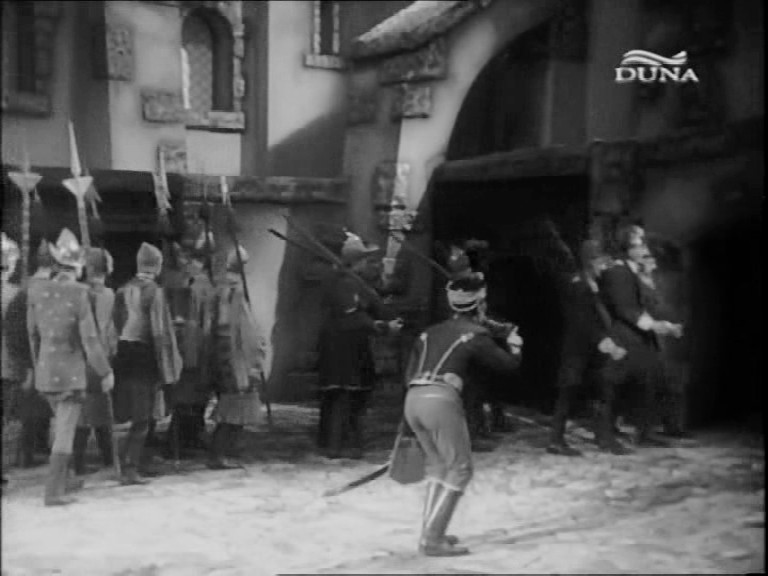
„Lábujjhegyen menetelni” (Beszterce ostroma. Keleti Márton, 1948)
A film a színjáték újra-megismétlésének egy egészen új kontextust teremt. Apolka, mielőtt megjelenne a követség – az ugyanazokat a színészeket, Estellát és az egész színes társaságot felvonultató kompánia – „leleplezi” a színjátékot a gróf előtt („Szakálluk se volt igazi”, mondja, „Tudom, Apolka”, válaszolja a gróf rezignáltan), majd felajánlja Pongrácznak, hogy, hozzájuk költözhet (sic!). Csak a tényállás rögzítése kedvéért: a gróf („Óvári és Szentmiklósi gróf Pongrácz István, Nedec vár örökös ura” [20]) meglátogathatja őket, sőt, odaköltözhet az ügyvédhez és leendő nejéhez. Szerintem ez a jelenet, amellett a jelenet mellett, amikor a gróf parancsára Pongrácz serege lábujjhegyen masírozik, hogy nehogy felébressze Apolkát, a film legharsányabban komikus jelenete. Csakhogy míg az utóbbi komikuma nyílt komikum (amennyiben egy nyilvánvaló szemantikai összeférhetetlenség – „lábujjhegyen” ↔ „menetelni”- teremti meg az alapját), addig az előbbi, Apolka őszinte vallomása feltehetően csak az utólagosság tükrében bizonyul komikusnak. Ugyanis a filmben az oppozicionális szerkesztés révén előáll egy olyan strukturális „hiba”, ami csak így, idézőjelek között minősíthető annak. Apolka ebben a jelenetben mint a gróf vágyának az eltávolított tárgya szembesül a gróffal – azáltal, hogy előadja a saját idilljét, azt az ideális (polgári) elképzelést vagy sémát, ahogy ő gondolja a szerelmi háromszög konfliktust megoldhatónak, hirtelen megfordul a jelenet iránya, és a gróf maga is egy séma objektumaként ismeri fel magát. Apolka leleplezése a gróf tévedését illetően (a gróf hiába hívja fel a figyelmét, hogy nagyon is a tudatában van annak, hogy mindez eljátszott, színre vitt dolog) ugyanakkor nem vezet semmilyen felismeréshez vagy igazsághoz, tekintve, hogy a tévedést egy másik tévedéssel, a gróf játékát saját ideálképzésével helyettesíti. A helyzet tulajdonképpeni komikuma egyben tragikus színezetet is nyer, ugyanis a gróf szembesül azzal, hogy a vágy tárgya nem létezik – aki számára „Medicis Katalint”, a rég eltűnt, de éppen hiányában újraélhető, helyettesíthető vágyképet helyettesítette, arról kiderült, hogy a maga rendjén alig különbözik a közönséges Estellától. De míg Estella csupán üres kép volt,

Estella mint Medici Katalin (Beszterce ostroma. Keleti Márton, 1948)
akit ő maga színezett ki, látott annak, akinek látni akart, ebben az esetben Apolka magát a helyettesítés, projekció és eltolás műveletét teszi hiteltelenné. A gróf igazi tragédiája az, hogy a nemesinek bemutatott, de valójában operai fantáziatevékenység tulajdonképpeni tartalmáról kiderült, hogy nem más, mint egy polgári, domesztikált ideál, ami éppen saját lényegével összeférhetetlen. A követek megjelenését felvezető jelenet voltaképpen megadja a film értelmezésének kulcsát is, hogy az miért olvassa a gróf színjátékát tragikusnak: mert a gróf nem az eleve a vágy helyetteseként jelenlévő nőt (az eredetileg Estella által eljátszott Medici Katalint, aki maga is az elérhetetlenség reprezentációja) veszíti itt el, hanem a vágy sémáját, a helyettesítés lehetőségét. [21] Ahogy a polgári kultúra tulajdonképpeni tartalmát egy korábbi berendezkedés utánzása, a nemesi kultúra formáinak mintái határozták meg, az elemzett jelenetben ez mintegy az ellentettjére fordul: a nemesi kultúra tulajdonképpeni tartalmáról derül ki, hogy az nem más, mint a polgári világ szimulakruma.
(Narratív távolság)
Eddig a narratív szegmentálás és a dramaturgiai elrendezés, a nagyobb narratív szerkezet szintjén hasonlítottam össze a két mű narratív alapstruktúráját. A szüzsé elemeit meghatározó ismétlések vizsgálatából ugyanakkor a legkevésbé sem következtethetünk a bemutatás módozatára, vagyis arra a viszonyra, ahogy a regény illetve a film a bemutatott diegetikus világhoz képest az olvasóját/nézőjét pozicionálja. Természetesen egyetlen mű sem képes arra, hogy rögzítse saját recepciójának folyamatát – viszont kijelölhet olyan érvényes befogadói pozíciókat, amelyek legalábbis korlátozzák a lehetséges olvasatokat. A művek „üres helyeinek” [22] (Iser) vizsgálata ebben a kontextusban azért érdekes, mert ebből következtethetünk arra a viszonyra, ahogy az adott mű mint fikciós tér viszonyul a fikció második fokozatához, a benne bemutatott fikciós alaphelyzethez.
Mikszáth regényének sajátossága, mint ahogy arra a tanulmány bevezetőjében is utaltam, hogy benne szervetlenül, vagyis reflexív távolságtartás nélkül váltakoznak a melodráma sémáit azonosulva felidéző és az arra irányuló eltávolító szólamok. Lássunk néhány példát! A XX. század végi, a XXI. század eleji feminista irodalomkritika fényében például meglehetősen kényesnek tűnik az a mód, ahogy a regény az egyik mellékszereplőjét, a csinos Donna Estellát bemutatja.
Donna Estella csinos leány volt, pompás idomokkal, nagy mellel, hajlékony, mint az acélpenge, vörhönyeges haja jól illett vakító fehérségű, kissé szeplős arcához. […] Sajátságos japán típus volt, bár a direktor nehezen hozta Japánból, de Granadából sem, mivelhogy Donna Estella, azonkívül, hogy németül, tótul trattyogott valamit, magyarul beszélt, azt is gömöri akcentussal. […] Látszott a szemeiből, az arcából, egész lényéből, hogy már nagyon sokat tapasztalt. A sok tapasztalat pedig csak a férfiúnak ékesség. [Kiemelés az eredetiben] [23]
A regényre jellemző szövegalakítási mód – mint általános, Mikszáth szinte egész munkásságára jellemző gyakorlat – a szólamok vegyítése. Itt is pontosan megfigyelhető ez a technika. Az Estellát bemutató szövegrész egy olyan leírással indít, amely csak látszólag feltételez semleges nézőpontot: egy olyan férfi olvasóközönség „együttérző” nézőpontját idézi fel, vagy legalábbis egy olyan értelmezési módra apellál, ahol narrátor és (férfi)közö(n)sség osztoznak az ítélet kognitív és szexuálpolitikai vonzataiban. Az idomok, az alkat felsorolásszerű számbavétele arra enged következtetni, hogy Estella nem személyként, hanem alakként, típusként, pontosabban fantázia-tárgyként érdekes. Az Estella bájainak számbavétele után következő rész korrekciónak minősül, amely egyben hagnembeli váltást is implikál („bár a direktor…”). A szöveg odavetett megjegyzése poénként hat, és a trágár viccek Freud által tárgyalt hatásmechanizmusát [24] idézi fel. Donna Estella neve és beszéde („gömöri akcentus”) ellentmondásba kerül, és a névben rögzített szerepjáték leleplezése a nő groteszk, eltávolító bemutatását eredményezi. Az ezután következő kiemelés (Estella „sokat tapasztalt”) olyan egyértelmű kétértelműség (utalás arra, hogy Estella szexuálisan aktív volt), amely a célzás, a közvetlen kimondás elutasítása révén még jobban kiemeli a közös férfiolvasat érvényét. Az idézet végének asszertív állítása („A sok tapasztalat pedig csak a férfiúnak ékesség.”) a maga távolságtartó, összegző hangvételével pusztán megismétli azt, ami korábban a sorok között már olvasható volt, csak immár aforizmaként – a gnóma viszont érvényét („természetességét”) a korábbi, parodisztikus bemutatás implikatúrájának az elfogadásából nyeri.
Egy későbbi részben újra Estella kerül a bemutatás középpontjába. Estella, aki akrobatikus ügyességgel szőrén üli meg a lovat, a gróf fő szórakoztatási tárgyává lép elő.
István gróf pedig részint nevetett, részint bosszankodott. »Csak nem mehetek így szégyenszemre Motesiczkyékhez!« Otthon azután vette a korbácsot és, mint valami makrancos gyereket, ütötte, verte Estellát, hogy kék foltok maradtak a vállain napokig.
Az csak összeszorította az apró egérfogait és gondolta magában:
»Jól van, csak üss, de azért mégis Pongrácz Istvánné lesz belőlem.«
Ez ugyan nem látszott valószínűnek, mert Pongrácz István úgy szerette Estellát, ahogy egy állatot szokás. [25]
A gróf mindennapi, groteszk szórakozásának bemutatása mellett (látogatás a szomszédos uraknál, Estella produkciói, korbácsolás) legalább annyira érdekes a bemutatás módusza is. Az idézett epizódban feltűnés nélkül váltakozik a narrátori bemutatás, a gróf és Estella idézett belső beszéde, valamint a heterodiegetikus narrátori kommentár. A narrátori bemutatás és a szereplői (belső) beszéd ilyen természetes egymás mellé helyezése egyszerre mossa el a különbséget a beszéd ezen instanciái között, naturalizálja a bemutatott gyakorlatot (a fenyítés [26] mint a szórakozás és egyben a kedveskedés módja), amennyiben úgy tűnik, valamennyien osztoznak ennek megítélésben, csak éppen máshogy kalkulálnak vele. Másrészt ezáltal válik groteszkké is az epizód: az epizód végének utolsó megjegyzése („István úgy szerette Estellát, ahogy egy állatot szokás.”) megbontja a korábbi rész nézőpont váltogató menetét, és István gróf Estellával szembeni viszonyát legalábbis eltávolítottként, nem megszokottként, a narrátori nézőponttól eltérőként mutatja be.
Ha viszont István gróf praktikáinak bemutatása során narrátori és szereplői nézőpont elvált egymástól, az olvasót távolságtartó, kritikai viszonyra bírva, Estella regény végi bemutatása mintegy saját gesztusaiban veszi át Pongrácz István nézőpontját:
Hanem bizony nagyon beleharapott az idő a fizimiskájába [az Estelláéba], petyhüdt volt az arcbőre, a festék látható marásaival, ráncon ránc: a termete is összeesett, úgy nézett ki, mint egy csutak. Csak a hajdan szép álla viselte magát derekasan, eresztvén magából egy vice-állat. Talán hogy az egyiket a Pál báró csipkedje, a másikat pedig a Károly báró. [27]
A szövegrész nem pusztán azt állítja, hogy Estella megöregedett, vagy hogy elvesztette korábbi bájait. A nő cinizmussal határos narrátori bemutatása összekapcsolja a leírást a fabulációval: a „vice-áll” mint nyelvi poén és a „csipegetés” összekapcsolása a testi megjelenést a (szexuális) cselekvések okozataként láttatja; az esztétikai ítéletet a tettekre irányuló normatív ítélettel kapcsolja össze. Ez a hangsúlyosan normatív narrátori bemutatás a saját metafora-alkotásába veszi át Pongrácz István gyakorlatát, annyi különbséggel, hogy itt nem a gyerekeket és az állatokat megillető bánásmód, hanem a természet tréfájaként és erkölcsi elégtételként (és egyben a büntetés mementójaként) van Estella szemölcse (?) bemutatva.
Bárhogy is legyen, az Estellához kapcsolódó ítéletek esetében az olvasónak felajánlott pozíciók zavarba ejtően váltakoznak a maszkulin olvasóközönség azonosuló olvasatára apelláló és ezt a nézőpontot István gróf eltávolított nézőpontján keresztül ironizáló pozíciók között. A pozíciók váltakozásának nincs iránya, abban a lehetséges értelemben például, hogy az azonosuló olvasatra tett javaslatot egy ironikus beszédpozíció, vagy éppen fordítva: a kritikai nézőpontot egy érvényes narrátori pozíció megerősítése váltaná fel. Ehelyett inkább azzal találkozunk, hogy mihelyt István gróf nézőpontját az olvasónak felajánlott pozíciótól különbözőnek véljük, éppen akkor vesszük fel magunk is azt az ítélkezési perspektívát, amely a grófé: a regény az olvasónak olyan pozíciókat kínál fel, amelyek szemléletmódjai – noha relatív értelemben egymástól elkülöníthetők – implikatúrájukat tekintve viszont nem válnak el szigorúan egymástól. Ugyanez a technika érvényesül a legtöbb epizódban is. Nézzük meg a másik hősnőhöz, Apolkához kapcsolódó egyik részt, a leánykérés jelenetét.
De bizony mégis elfakadt Apolka sírva a nagy örömtől. Ezt a megoldást meg se merte volna álmodni, mert nemcsak a veszedelemtől szabadult meg, hanem még grófkisasszony is lesz belőle. Ez már csakugyan sok volt. Kicsordult a szíve, nem bírt tovább vele, odaborult egész önfeledten az ügyvéd nyakába.
– Látod, látod, Miloszláv, milyen jó az isten. [Itt következik a leánykérés]
– Hát megbolondult maga? – rikácsolá. – Honnan veszi ezt a vakmerőséget?
Tarnóczy egy csöppet sem ijedt meg, egykedvűen játszott a kalapja pántlikájával.
– Egyszerűen szeretem őt, ez az én bátorságom forrása, és azt hiszem, ő is szeret.
– Az lehetetlen! – hörögte Pongrácz István.- Felelj neki, Apolka!
Apolka leejtette a gyűszűjét és elkezdte keresni mindenfelé, mintha nem lenne annál most fontosabb dolog a világon, az ágy alá is lehajolt, nagy sopánkodva: Ugyan hova is gurult? Ej, ej, te csúf gyűszű! […]
A leányka megrázkódott, fölemelte azt a szép fejét és így szólt megdicsőülve, szinte mámorosan:
– Szeretlek, mindig szerettelek. Mindennap terólad gondolkoztam, felhőtől, fecskétől neked üzengettem.
Miloszláv édesen, boldogan bólingatott:
– Felhőtől, fecskétől mindennap megkaptam. […]
Olyan vakmerőség volt ez, hogy most már mulattatni kezdte Nedec urát. Az ördögbe, hiszen ez egy eredeti ember! Érdekes objektum. Szép história fejlődhetik, ha ez így megy. [28]
A leánykérés epizódjának bemutatását két kód, két regiszter szervezi. Egyrészt ott van a melodráma regisztere: Apolka nagy „veszedelemből” menekül meg, a „pszichonarrációból” (D. Cohn) megtudjuk, hogy „még grófkisasszony is lesz belőle”, naivan próbál kibújni a konfrontáció elől, a narrátori bemutatás szerint „fölemelte azt a szép fejét és így szólt szinte megdicsőülve, mámorosan„, Miloszláv „édesen, boldogan bólintott”, a szereplők egymásnak „felhővel, fecskével” üzennek. A legkülönbözőbb jelek halmozásával találkozunk ebben az epizódban. A fabula (grófkisasszonnyá alakulás, házasság), a bemutatott gesztusok („önfeledt”, „odaborul”, „mámorosan”, „hörögte”), a narrátori minősítések („szépen”, „édesen”, „kicsordult a szíve”), a közvetetten bemutatott (elbeszélt) szereplői belső beszéd („ezt a megoldást meg se merte volna álmodni”) szintjén ismétlődő jelekből áll elő az a mitikus beszéd, [29] ahol nem tehetünk különbséget az egyes nézőpontok között, tekintve, hogy a szereplők és a narrátor beszéde nem elkülönült instanciákként vannak inszcenírozva, hanem a melodráma kódja szervezi azokat. A melodráma figurái egyszerű aktánsok, akik egy funkciót töltenek be a történetben, amely a maga rendjén kijelöli azt a bizonyos funkciót. A narratív „hang”, pontosabban a bemutatás közege, a váltakozó perspektívák (szereplői, külső narrátori) egymástól pusztán technikájukban válnak el, amennyiben a jelenet „drámaiságáért” felelősek. A nézőpont-váltogatás a bemutatás koreográfiájának része, nem pedig a bemutatott összefüggéssel szemben kialakítható ítélet lehetséges forrásai. Az „érzelmek” gyors és heves váltakozását nem egyszerűen aláfesti a nézőpontok váltakozása, hanem maga hozza létre az érzelmek egymást kölcsönösen olvashatóvá tevő, konvergáló jeleit. Ezt a kibontakozó melodrámát (amelynek egyik hangja a gróf „rikácsolása”, „hörgése”) szakítja meg, vagy ellenpontozza a gróf belső beszéde („hiszen ez egy eredeti ember! Érdekes objektum. Szép história fejlődhetik, ha ez így megy.”) A gróf reflexiója élesen elkülönül a melodráma jeleitől – beszédében az előadott dráma (aminek implicit része a narrátori bemutatás is) „históriává” minősül. Ez a melodráma azért válhat érdekfeszítő történetté, mert egy „eredeti” ember adja elő, aki nem retten meg a gróftól, aki teljesen képes azonosulni a hősszerelmes figurájával, másként fogalmazva: akinek nem elég árnyalt a felfogása ahhoz, hogy észrevegye a helyzet buktatóit. Az „eredetiség” Pongrácz értelmezésében „korlátoltságot” jelent, ami éppen ezért képes ezt a – kívülről szemlélve – komédiát mozgásba hozni. A szövegrész érdekessége, hogy az „őrültnek” („eredetinek”) tartott figurához – akinek a diszkurzív pozíciója a regényben a leginkább bizonytalan – kapcsolódik a melodráma eltávolító olvasata, a kritikai olvasat. Noha ebben az epizódban, mint ahogy a regényben több helyütt is, felvillan az a „középkori bohócarcél”, [30] az az alakzat, amely értelem nélküli és értelemmel bíró kiasztikus megfordítását, az őrült beszédben az igazság inskripciójának felsejlését állítja, István gróf alakja és megnyilvánulásai csak allúzióként idézik fel ezt a diszkurzív teret. A Pongrácz grófhoz kapcsolódó belső beszéd csak egy pillanatra függeszti fel a melodráma működését. De ez a felfüggesztés nem annak érvényét teszi lebegővé, hanem csak pillanatnyi hatályát: a gróf annak lehetőségét pillantja meg, hogy pompás kilátások vannak ebben a konfliktusban, és hogy az tovább fokozható.
A kritikai olvasat a melodramatikus viszony részévé válik, pontosabban folyamatos egymásba csúszás, egyfajta irritáció figyelhető meg az említett két regiszter, a melodramatikus és a kritikai elkülöníthetőségében. Ennek a technikának az eredménye a Mikszáth-regény ambivalenciája, mind etikai, mind episztemológiai értelemben. A heterodiegetikus narrátori, valamint a szereplői szólamok elkülönülnek egymástól, és újra egymásba fordulnak. Ahogy a témák szintjén a szeretet és a szadizmus, játékosság és elmebaj, „eredeti” és sematikus, a „mi” időnk és a „régi” idők egymásba fordul, ugyanúgy a groteszk tárgy [31] egyben az elbeszélés groteszk módozatában is jelentkezik. Az elbeszélés úgy épül fel, mint ami távolságtartó ítéletre és ugyanakkor egy talán nem vállalható (inautentikusnak, megkésettnek, diszkurzív értelemben hatályon kívül helyezettnek vélt/mutatott), de ösztönösen vonzó perspektíva kipróbálásra ösztökél. A narratív távolság szintjén a regény mintegy „újrajátssza”, az olvasói viszony szintjén dramatizálja a torz látása és a torz látás közötti feszültséget, anélkül, hogy döntésre ösztökélné az olvasóit. A regény végén említett „hűségre törekvés” („Egyébiránt meglehetős hűséggel beszéltem el, amit róla hallottam. A mese folyása nem az én érdemem. Alig komponáltam valamit közé.” [32]) nemcsak abban az értelemben olvasható, hogy a regény mennyiben próbált eleget tenni a kortárs regénytípusok iránti olvasói elvárásoknak (pl. szociológiai regény), vagy hogy menyire foglya a mimetikus illúziónak (ezek többnyire retorikai kérdések, és megválaszolásuk nem különösebben izgalmas). Hanem abban az értelemben is, hogy a narrátor valóban csak előadja az elbeszélteket, anélkül, hogy a közékomponálás rögzítené a narratív illúzió és a fikció második fokozata, a bemutatott szerepjáték viszonyát. A regény fentebb idézett mondata a fikció bekeretezhetetlenségének a kimondása; azé a tényé, hogy a „külső” narratív keretet, az olvasóval folytatott játékot is mintegy magába szippantja a regényben bemutatott fikció mozgása.
Mikszáth regényének olvasója paradox helyzetben találja magát: a regény eseményei egyrészt úgy kerülnek bemutatásra, hogy érdemben aligha ítélhetők meg a résztvevő megközelítésmód nélkül. A maszkulin olvasóközönség értelmezői logikája, a melodramatikus kód vagy éppen a rendi, nemesi társadalom fundamentális kódjainak – ha nem is elfogadása, de legalább -figyelembe vétele nélkül a szöveg néma marad. A szöveg ironikus gesztusai felfüggesztik a participatorikus olvasat folyamatát. De az eltávolítás gesztusai nem az említett értelmezői kódok érvényét érintik: a Beszterce ostromát, ahogy általában a Mikszáth-szövegeket nem a leleplezés furora mozgatja, a szövegnek nem az a tétje, hogy a gróf színjátékának „őrületére”, érvényét vesztettségére rámutasson. A szöveg ironikus gesztusairól mindig kiderül, hogy egyszerre van kívül és belül, egyszerre a melodramatikus kód, a rendi gondolkodás része, és képezi annak határát is, megnyílását a kívülség tapasztalatára, saját történeti korlátainak a megtapasztalására. A szöveg reflexív gyakorlata nem egy új „pozitivitás” megjelenését implikálja; az irónia instanciája nem szembesíti a dzsentri-világ logikáját egy másik nyelvezettel, hanem annak önmagára történő visszahajlását, redőjét képezi. Az irónia gesztusai vagy, ahogy fentebb neveztem, a kritikai olvasat adja ennek a világnak az öntudatát, amelyben a leleplezés e világ józan őrületének a része – a melodramatikus kód igazi erejét éppen ezek a megtorpanások, időleges reflexiók adják, amelyek olyan bonyolult nyelvként mutatják meg azt, amely mintegy saját illúzióteremtő aspektusát is önnön beszédének tárgyává teszi. A regényben az irónia gesztusa dialektikus határként működik, amely saját formájának korlátozottságát is önnön megértésének és gyakorlatának a részévé avatja. Másrészt a kritikai olvasat által megnyíló kívülség tapasztalata nem teljes mértékben dialektizálható. István gróf „őrülete”, aki ennek a világnak az exponált alakja, elsősorban nem azért érdekes, mert mint egy alakról döntenünk kell, hogy „beteg” vagy sem. Hanem, mert benne ez a világ egészlegesen mond önmagáról ítéletet – az olvasó szempontjából a kérdés úgy merül fel, hogy mennyiben tehető meg az értelemmel nem feltétlenül bíró az értelem alakzatává, mennyiben lehet a reflexió gyakorlatát egy kód fenntartásának részévé alakítani. Pongrácz gróf mintegy saját világának válik emblematikus alakjává, amennyiben egyszerre mutatja a melodramatikus kód redőjét, e világnak az önelváltoztatásra törekvését egy összetett és reflektált nyelvezet működtetéseként és az őrület tapasztalataként. A szöveg narratív instanciája nem szólít fel a távolságtartásra. A szövegben gyakran előforduló heterodiegetikus narrátori kommentárok noha felidézik a moralizáló elbeszélésekből kinőtt XVIII. századi metareflexív regények elbeszélői technikáját, [33] a kritikai olvasatot lehetővé tevő kiszólások, megjegyzések nem a szabad ítélkezésre való felszólítások, hanem mint gesztusok a regény figuráinak, nyelvi gesztusainak az ismétlései – vagyis a narrátori pozíció, ahogy az olvasónak felkínált pozíció is, nem a kívülálló, hanem a résztvevő pozíciója, aki mintegy maga is részesül Pongrácz gróf nyelvezetének szédületében. Ezt a „szédülést”, a mikszáthi elbeszélői nyelvnek ezt a redőjét nevezem pre-reflexív szatírának.
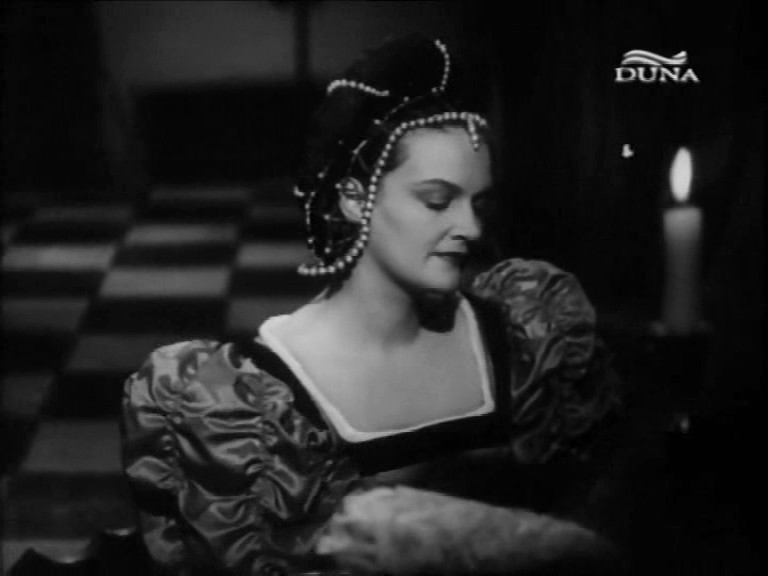
„Puha fénybe burkolt alak” (Beszterce ostroma. Keleti Márton, 1948)
Míg a regény pre-reflexív szatírája melodráma és kritika, szerep és identitás, aktuális (és helyesnek ítélt) és korszerűtlen inherens határátlépéseként jelentkezik, a filmben a narratív távolság egészen másként jelenik meg. Keleti Márton Besztercéje Mikszáth művének reprezentációkritikai aspektusát helyezi az előtérbe. A filmben Estella nem „állat”, hanem kép, Apolka nem néma lény, akiről beszélnek, de ő maga hallgatásra kényszerül, nem is marionettszerű figura. A pszichoanalízis nyelvén fogalmazva nem „résztárgy”, hanem megszépített, puha fénybe burkolt alak [34], aki „öntudatosan” cselekszik. A film, noha a legvégén egy inzertben idézi a Mikszáth-szövegnek a „groteszk tárgyról” tett kijelentését, stílusában a legkevésbé sem groteszk (feltéve persze, ha a komikus jelek arzenálját nem minősítjük automatikusan egyben groteszknek is). A film piktoriális megformálása, az egyes beállítások táblaképszerű, barokkos színpompája és kompozíciója inkább fennköltté teszi, semmint a diszkurzívan tiltott határán egyensúlyozó világhoz közelíti a diegetikus világot. A film emelkedetté teszi, és egyben az ábránd, a „tiszta játék”, a vágyteljesítő fantáziaképek móduszában mutatja be Pongrácz világát.

„A vágy tárgya” (Beszterce ostroma. Keleti Márton, 1948)
A film egyik fő technikája a párhuzamos beállítások használata. Pongrácz egy lovagló nőt ábrázoló képet néz; a kép kompozícióját megismétli a lovagló Estella alakja; ugyanez érvényes Apolka esetére is, aki a maga rendjén Estella alakját ismétli. De ez az előállás, ahogy egy statikus kép párhuzamba kerül egy mozgó képpel, és ami a fentebb említett esetekben egy konkrét technikához köthető, más esetek kapcsán is vizsgálható. Mikor Pongrácz gróf összetéveszti Estellát Medici Katalinnal, Estella úgy toppan elő az egyenlőtlenül bevilágított háttérből, mintha egy festményből lépett volna elő. De időnként maga a gróf is mintegy festménnyé dermed. [35] Szemben Mikszáthtal, ahol nincs mindig kéznél tigrisbőr, a bálozó tömeg fölött hatalmas medvebőrökön, királyi méltósággal úgy áll Pongrácz, mintha egy virtuális festményt látnánk. Az ebédlőjelenetek, a két bohóc bevonulása, a műtermi kastély belső terei és tárgyai mintha mind XIX. századi történelmi és barokk festményekről léptek volna elő.

A műlovarnő (Beszterce ostroma. Keleti Márton, 1948)
De ha elsietetten azt mondjuk, hogy Keleti filmjének piktorializmusa, a háttérfénnyel megfestett női arcok, a történelmi díszletek, a barokk és a romantikus festészet kompozíciós eljárásait megidéző beállítások mintegy Pongrácz „belső világának”, fantáziavilágba menekülésének a metonímiái, akkor részint elvétjük a dolgot. Noha valóban sok beállítás ebbe az irányba mutat, a film piktorializmusa csak részben köthető István gróf személyéhez. Keleti Márton filmje nem „tudatfilm”. Noha mozzanataiban nagyon sok olyan elem felfedezhető benne, amely a modernista filmkészítés jellegzetes megoldásait (pl. a függő beszéd használata, külső és belső bemutatás határainak felfüggesztése, [36] parabolisztikus építkezés) előlegezi meg (pl. a már említett, második ruhatár-jelenetben vagy a film legvégének hanghasználatában), Keleti filmjének nyelvezetét a klasszikus filmkészítés vizuális kódja szervezi. A film reprezentációkritikai aspektusának éppen ez adja a felhajtóerejét: az tudniillik, hogy a film egyazon vizuális világ fenoménjeként mutatja be valamennyi jelét, még akkor is, ha azok hangnemüket és utalásrendjüket tekintve rendkívül differenciáltak.

Mintha egy barokk festményből léptek volna elő (Beszterce ostroma. Keleti Márton, 1948)
A regény hatalmas kitérői itt közbeékelésként, például Apolka visszaemlékezéseként jelennek meg; ez a szigorú narratív rend, amely nem kisebb és nagyobb konfliktusok rizomatikus hálójaként (mint a regényben), hanem egy központi konfliktushoz kapcsolódó mellékkonfliktusok hierarchikus rendjeként komponálja újra Mikszáth művét, különös eredményhez vezet. Ugyanis nemcsak a narratív elrendezés szintjén, hanem a beállítások és általában a filmnyelv elemi szintjein is jelentkezik ez az egységesítés. A gróf életterei, amelyre még a filmben is radikális eklekticizmus jellemző (különféle korokat felelevenítő történeti ruhák, terek), a zsolnai urak kaszinója, a bálozó tömeg fölé emelkedő Pongrácz és az alul látható bálozó tömeg ebből következően csak felszíni struktúrájukat tekintve különíthetők el. A filmet a heterogén vizuális jelek bősége jellemzi, így e jelek eltérő diszkurzív státuszának folyamatos konfúziója, fel nem ismerése fenyeget. A barokkos belső térben Apolka visszaemlékezik korábbi életére. Ennek a flashbacknek a középpontjában Milán és Apolka románca áll, akik egy rózsalugasban egymás kezét szorongatják. Ez a valószerűtlen biedermeier kép, amely egyszerre mutatja Apolka történetét és fantáziatevékenységét, belesimul a külső narratív keretbe, amely a maga barokkos szín- és formavilágával elvileg összeegyeztethetetlen kellene hogy legyen a melodráma e vegytiszta képi megvalósulásával. Ez a konfúzió, amely egy „őrült” gróf múltidéző, anakronisztikus világát és a (kis)polgári világ szépség- és boldogságigényét egyazon képi mátrix elemeiként idézi meg, mondhatni „belülről” üresíti ki e melodráma tartalmát. Ami előáll ebből a világból, az felszínesen ítélve a polgári világ győzelme a gróf világa fölött, az apai hatalommal szembeszegülő szerelmespár komikus története. [37]

Biedermeier ábránd mint lapos felület (Beszterce ostroma. Keleti Márton, 1948)
Mélyebb értelemben a film egy bukás története: ugyanis nem zsarnok és szerelmespár komikus viszonya a tétje a film nyelvének, hanem kép és referencia kapcsolata. A filmben hangsúlyosan kiemelt képek, amelyekből előállnak a mozgó alakok, ahogy a képek felidézte idealitás „megelevenedik”, arra utal, hogy el tudjuk választani egymástól a „puszta” fenomént, a képek megtévesztő, csalóka szemfényvesztését az igazi utalttól, a modellt a reprezentációtól. A film nyelve, amely kvázi konfliktusban áll önnön narratív szubsztrátumával, azonban ezt nem teszi lehetővé. A Medici Katalint helyettesítő Estellát helyettesítő Apolka metonímiája a biedermeier reprezentáció. A képek mint a reprezentációk foglalatai, mint az emberi fantáziatevékenység tárgyai és céljai egymásba fonódásuk okán válnak önmaguk káprázatának és ürességének tanúivá. Ennek a tapasztalatnak az inskripciója a film utolsó jeleneteiben ismerhető fel, mint ami egyszerre minősül komikus és tragikus színezetűnek. A várból menekülő tarka-barka társaság a komikus, míg az üres termekben bolyongó gróf ennek a „tapasztalatnak” a tragikus aspektusát hangsúlyozza. Az említett jelenetben a kastély termei egy másik film hasonló tereit idézi fel, Nedec vára Kane polgár Xanaduját visszhangozza. Az Aranypolgárnak(Orson Welles, 1941) azokra a képsoraira gondolok, amelyeken Xanadu végtelen folyosói láthatók, és amelyeken a különböző boltívek menedékes sora a végtelenbe terjedő tér illúzióját [38] ébreszti fel. A Besztercébenez a képi megoldás van felidézve, amit még jobban kihangsúlyoz a kép és hang elválása. A visszhangzó tér elválasztja egymástól a gróf képét és hangját; alak és az ahhoz organikusan kapcsolódó, vagy legalábbis annak gondolt hang elszakadása kísérteties hatást vált ki, amit még a nondiegetikus zenehasználat sem képes ellensúlyozni. Ez a kísérteties hatás abból következik, hogy ez az ikonikusan gazdag tér, a (történeti) jelek sokaságát és telítettségét állító vizuális tér itt nem felületként jelenik meg, mint ahogy azt az egymásra utalgató, egymásnak felelgető beállítások hangsúlyozták, hanem olyan visszhangkamraként, ahol a jelek baráti felelgetése zajjá, értelmét vesztett morajlássá minősül, amely nélkülözi a felidézett beállítások „szép idealitását”. E reprezentációk idealitását ugyanis éppen laposságuk, minden mélység hiánya biztosította (Apolka biedermeier ábrándja csak lapos felületként jelenhet meg, amelynek nincs „mélysége”, kiterjedése.)
A film a 30-as évek filmjeinek nyelvezetére írja át a Mikszáth-regény szatíráját. Ez az átírás vagy még inkább kódváltás egy reprezentációkritikai olvasat kidolgozásában áll. A film a 30-as évek filmjeinek nyelvezetén beszél, amelyet egy komikus-melodramatikus kód szervez meg: Keleti filmje szinte kényszeresen produkálja ezeket a sémákat, például azáltal, (a)hogy Apolka románcát és a (kis)polgári világ szépség- és boldogságigényét exponálja. A film narratív alapszerkezete és a film képi logikája azonban ellentmond egymásnak: ugyanis ez utóbbi amolyan „hibaként” vagy „elszólásként” nem a (letűnő) nemesi kultúra ikonográfiáját szembesíti a polgáriasodó világéval, hanem e kettő konfúzióját eredményezi. A film képi logikája nem harmonizál a narratív alapstruktúra logikájával: a film(kép) piktoriális megformálása olyan üres felületként lepleződik le, amely kiüresedése okán éppen azt a funkciót nem képes betölteni, amelyet betölteni hivatott, ti. azt, hogy a vizuális ábrázolás szintjén megteremtse ezeknek a képi és egyben narratív világoknak (a nemesi és polgári világnak) az „inklúzióját”, „kibékítését”. A filmi narráció továbbra is fenntartja a komédiák dramaturgiáját – ami a filmben mint olvasati lehetőség megjelenik, a működtetett melodramatikus kód reflexiója, az mintegy „kéz alatt” történik, vagy egy másik terminológiával élve a film tudatelőttesébe van áttolva. Keleti filmjének a határait, ahogy ez lenni szokott, kijelölik saját nyelvezetének, a klasszikus film nyelvezetének a határai; viszont mint műfajfilm elmegy addig a határig, ahol a komédia filmnyelve melankolikusként lepleződik le, amely olvashatóvá teszi saját illúzióképző gyakorlatát – anélkül, hogy ez a nyílt önreflexió formájában is jelentkezne. Keleti filmjében a narratív szerkezet és a kép logikájának a „konfliktusaként” jelentkezik az a reflexív mozzanat, amely láthatóvá teszi a 30-as évek filmjei nyelvezetének természetét.
(Beszéd és őrület)
A film Mikszáth regényének reprezentációkritikai olvasatát adja. Ez a (tragikomikus) olvasat a filmkép kettős minőségének (mint kulturális reprezentáció és mint ott-létet, tényleges jelenlétet tanúsító kép) összeegyeztethetetlenségére épül: a nyilvánvalóan eltávolított, ún. „belső” képek és a „reális” világ képei között sem a néző, sem a film főszereplője, Pongrácz gróf nem tud különbséget tenni, miközben éppen a különbségtevésre irányuló felszólítás az, ami ezt az egész diegetikus világot mozgásba hozza. Pongrácz voltaképpen a realizmus legelkötelezettebb alakja (és ebben áll a film ezen olvasata szerint az őrülete is), mivel hisz a „tisztán fikcionális” képnek a világ fakticitásával szembehelyezhető lehetőségében.
De miként lehet megítélni a regény Pongrácz Istvánjának az „őrületét”? A regény iszonyú energiákat fektet annak az ítéletnek a lebegtetésében, miszerint Pongrácz István őrült. A regény bevezetőjében a heterodiegetikus narrátori bemutatásban arról olvashatunk, hogy nem akart a XIX. században élni, ezért visszament a XVII-be. Később, hogy szemben a világ iparosodó környezetével, Nedec vára körül a „Jarinkó köhécsel” (és ez egyfajta mitikus környezetbe helyezi a grófot [39]). A gróf olvassa a Don Quijotét, amit gonosz utalásként az egyik szomszédos birtokos nő küld neki ajándékba. Helyenként úgy viselkedik, mint Lear király, a nap ellopásáról spekulál, és virágokat kaszabol, kavicsokat gyűjt vagyon gyanánt, túlvilági hatalmakkal kártyázik. Másutt a diákjának a szamarak természetéről szóló traktátusát mondja tollba (egyszóval ő is az „állatok tanítványa”, mint a Noszty-regény Kopereczky figurája). Ne feledkezzünk meg a „kultúrmissziójáról” sem, amikor kutyákkal okoz rebelliót és lehetetlenít el egy szlovák nemzeti/nacionalista naggyűlést (mint úri hecc). A környezete – felidézve a XVIII., XIX. század klinikai diskurzusát, hol az eszmék és szavak közötti meg nem felelésben, hol „vesaniaként” értelmezik a gróf „őrületét”, azaz olyan hisztérikus megbetegedésként, amelyet a múltidézés okozta szédülés váltott ki. [40] A narrátor távolságtartóan vélekedik az ügyről, mondván, hogy „ki láthat bele az ember fejébe?” (Talán egy narrátor, válaszolhatnánk, aki másutt gond nélkül idézi a gróf belső beszédét). A jelek e sokaságából egyetlen egy dologra bizton következtethetünk: ezeknek a jeleknek a heterogenitására. Ugyanis a narrátori megítélés szerint és Pongrácz néhány felidézett viselkedése folytán olybá tűnik, mintha akkor szállt volna le a bolondok hajójáról. A gróf Lear királykodása a reneszánsz episztémé (Foucault) bolond-figuráját idézi, akinek a beszéde a szavak természetéből következően az igazság inskripcióját hordozza. Később a klasszikus kor őrült figurájaként jelenik meg, akitől idegen ez az igazság-beszéd: mert nem önmagukban a szavak vagy a képzetek eltévelyedése az, ami az elmebaj jele, hanem a kettő közötti kapcsolat megzavarodása [41] (Foucault szerint így vélték a XVIII. században az álmokat az őrülettől megkülönböztethetőnek), idézi fel az egyik szereplő ezt a jellegzetesen XVIII. századi érvelést. A gróf alakjában felfedezhető a XIX. századi különc tipikus figurája [42], aki a környezetével szemben definiálja önmagát, amit a környezete a maga részéről devianciaként érzékel. És megjelenik az „őrület” patologizálása, betegségként minősítése. A múltidézés, a maszkos játék egy másik aspektusa István „őrületének”, amely olyan tevékenységekben nyilvánul meg például, mint a szegényeknek történő pénzosztás (örömmel elnézi, ahogy a szegények az aprópénz után kutatnak a szúrós aljnövényzetben) vagy a harci játékok. A regényben István gróf alakja bizonyos szempontból olybá tűnik, mintha a „bolondságról” szóló közhelygyűjtemény lenne, amely körülbelül annyira vehető komolyan, mint a gróf által lediktált értekezés a szamarak tapintatosságáról. Mikszáth barkácsoló technikája István gróf alakját olyan „üres helyként” hozza létre, amelyben szabadon kavarognak az egymástól legtávolabb álló történeti képzetek a bolondság „természetéről”. A regény érdekességét nem is ez adja, hanem az, hogy mennyiben lehet ezeket a felidézett formákat leválasztani a regényben felidézett mindennapi „őrültségek” egyéb formáiról, amelyeket a bemutatás nyíltan nem minősít annak, viszont nagyon is magukon viselik az „eltévelyedés” stigmáját. Mert például a Behenczy bárók eszeveszett tékozlása a protestáns etika tükrében ugyanolyan, sőt nagyobb eltévelyedésnek tűnhet, mint István gróf allűrjei. A színházigazgató, mondja a narrátor, mindent megtenne, akár ellenszolgáltatás nélkül is belemenne egy olyan pompás maskarádéba, mint amilyenre Pruzsinszky felkéri, csakhogy része legyen valami jó kis tréfának. A magát lengyelnek kiadó Pruzsinszky hazafias lelkesedése, a kaszinóban anekdotázó kapitány, a Tarnóczyak tékozló versengése, a nemzetieskedő hazafiak, egyszóval a regény szinte valamennyi szereplője (hangsúlyosan nyelvi) szerepek megformálására törekszik, amelyek a maguk rendjén mind „őrületnek”, an-ökonomikus viszonynak, tékozlásnak minősülnek. Másrészt ezek az „őrületek” nagyon is produkálnak járulékos hasznot, amivel mindenki kalkulál: Mikszáthnál ugyanis ez teszi lehetővé a mindennapi társasági életbe való bekapcsolódást és „eredeti” emberként való ön-állítást. Úgy tűnik, a „normalitás”, a társadalmi és interperszonális viszonyok alapját képezik ezek az „ötletek”, melyeknek lényege egyrészt a diszkurzív határok áthágása, a heterogén nyelvi elemek karneváli vegyítése, másrészt a tréfa, a jól sikerült adoma, egy esemény mondhatóvá, elbeszélhetővé tétele (pl. a honvédparancsnok anekdotája a pozsonyi asszonyról). A csattanóra kihegyezett adoma az, ami az „őrületet”, az esztelenül felvállalt cselekvést megmutatja, de ebben a mutatásban meg is szelídíti, a diskurzus tulajdonképpeni helyévé teszi. István gróf Mikszáthnál nélkülözi azt a fajta kiemeltséget, rendkívüliséget, amit a film neki tulajdonít. Cselekedetei, amelyek szinte mindig valamilyen aforizmatikus megfogalmazásban, nyelvi poénban csúcsosodnak ki, csak annyiban különböznek a többi szereplő (és tegyük hozzá, a narrátor, aki az előadás módozatában maga is gyakorolja) fiktív őrületétől, hogy ő halmozza, egymásba fűzi ezeket az „ötleteket”. Viszont éppen azért, mert esetében permanenssé válik a diszkurzív határok átlépése, számára el is tűnik az a viszonylagos menedék, amit a beszéd biztosít az őrület ellen: a halmozás, a szerepjáték imperatívusza, amelyet követ, eltünteti azt a dialektikus határt, amely az aktánsokat (és a narrátort) megvédi az értelemmel bíró és értelem nélküli közötti válaszvonal felszámolódásától, a „totális fikció” veszélyétől. A gróf múltismétlése nem azért válik feneketlenné, mert „különc”, [43] vagyis viselkedésében és beszédében hangsúlyosan elkülönül a környezetétől, hanem mert az az ismétlés, amiben érdekelt, nem a kimondás teleológiájában, hanem a folytonos parabázisban csúcsosodik ki, ami miatt cselekedeteinek olvashatósága elveszíti relatív bizonyosságát. Az ismétlés, a széttartó jelek fikciós összefűzése az esetében éppen az olvashatatlanságot idézi elő, nem pedig egy értelem kikristályosodását. [44]
A film a gróf regénybeli törekvését a fikció abszolutizálására annak diszkurzív meghatározottsága felől olvassa. Például a filmben a túsz-szerep (Apolka mint a besztercei követek zálogtárgya) egyrészt tisztán fiktív viszonynak minősül (eljátszott, de senki által nem „komolyan” gondolt viszonynak; a filmben Apollónia maga ajánlkozik a túsz-szerep eljátszására, a regényben erről szó sem esik, egyedül a keresztnevét mondja ki, „álmosan”). A film fordulópontján viszont Apolka már nemcsak eljátszott formában, hanem ténylegesen is fogságba esik. A filmben a színre vitt, előadott túszszedés teremti meg a tényleges rabság keretét, a szimbolikus (azaz akaratlagos és kulturális) cselekvés a tényleges létviszony feltételét. Keleti filmjében a fikció reálissá válása, azaz tényleges létviszonyokká alakulása az, ami lehetővé teszi Mikszáth regényének bohózatba csomagolt kafkai olvasatát.
A Mikszáth-regény és Keleti Márton filmjének adaptációs kapcsolata több szempontból is figyelemre méltó lehet. Egyrészt, mert az irodalmi hagyományhoz való hozzányúlás teszi lehetővé a 30-as évek filmnyelvének („ön”)reflexióját. Másrészt e kreatív újraformálás révén válik láthatóvá a Mikszáth-szöveg ambivalenciája, amely a maga pre-reflexív szatírája, távolságtartó és ugyanazzal a gesztussal az azonosulásra felszólító implikatív struktúrája révén egyszerre enged meg nosztalgikus-tragikus (pl. Keleti Márton) és a felszabadult játékosság móduszában megfogalmazott (pl. Makk Károly [45]) olvasatokat.
A dolgozat elkészítésekor a szerző Bolyai János Kutatói Ösztöndíjban részesült.
Jegyzetek
- [1] Szalay Károly szinte egész könyvet szentelt a szatíra és Mikszáth írásai viszonyának. Szalay, mintegy ellentmondva önnön premisszáinak („A szatíra, a humor, az irónia nem műfaj, nem műforma. Az alkotó művész magatartását, valóságszemléletét, megjelenítő, ábrázoló módszereit, kifejezőeszközeit minősíthetjük szatirikusnak vagy humorosnak”. Szalay Károly: Humor és szatíra Mikszáth korában. Magvető, Budapest, 1977. 5.) mégiscsak Mikszáth témáiban és írásainak pszichologizáló szubsztrátumában véli ezt a magatartásmódot felismerni. Félretéve azirányú kétségeinket, hogy mennyiben lehet közvetlen átjárást feltételezni a „magatartásmód” és az „ábrázoló módszer, kifejezőeszköz” között, Szalay éppen azt véti el, ami talán a legfontosabb e nyelvi magatartásmód vizsgálatában, ti. hogy lévén egy nyelvi attitűd, a szatirikus kezében minden szatirikussá válik, függetlenül az éppen választott témától. A szatirikusnak magatartás vizsgálata nem tehető meg a tisztán poétikai (vagy rosszabb esetben motivikus, társadalomtörténeti) elemzés deskriptív és ennyiben verifikálható kategóriájává, mivel a szatirikus magatartás nem nélkülözhet egy performatív mozzanatot, amely legtöbb esetben éppenséggel az egyes kijelentések konstatív vonatkozásaival szemben fejti ki a hatását. Mikszáth és a szatíra viszonyát még sokan mások is vizsgálták vagy érintették a kortárs vagy kvázi kortárs recepció során, pl. Karácsony Sándor (A cinikus Mikszáth. Hét krajcár, Budapest, 1997.), Hajdu Péter, Eisemann György, stb. ↩
- [2] Northrop Frye: A kritika anatómiája. Fordította Szili József. Helikon, Budapest. 1998. 189. Frye ebben rögzíti a szatirikus beszéd alapsémáját. („a szatíra militáns irónia: erkölcsi normái viszonylag világosak, és feltételez olyan mércéket, amelyekkel a groteszk és az abszurd mérhetők.”) Ez a definíció egyben a mindennapi szatíra-értelmezés feliratának is tekinthető. ↩
- [3] Peirce szerint ahhoz, hogy bármi jellé váljon (és ebben az esetben teljesen esetleges, hogy egy kiáltásról, vagy éppen egy bonyolult irodalmi szövegről van-e szó), szükség van egy értelmező jelviszonyra, egy másik jelre, amely hozzátartozik az adott jeltárgyhoz mint jelhez, és kijelöli az adott jeltárgy olvashatóságának a keretfeltételét. Az értelmező ugyanakkor a maga rendjén szintén jel, amely maga is egy további interpretánsra, értelmezőre szorul. Valaminek a puszta fennállása még önmagában nem olvasható (nem jelentéses) – csak annyiban válik valaminek a jelévé, amennyiben létezik egy értelmező összefüggés, amelynek a tekintetében, összefüggésében mint olyan valamire utal. Ez az utalás, ugyanúgy, egy további értelmezői jelviszony létrejöttétől függ. Magyarán a peirce-i szemiotika egyik döntő alapvetése az, hogy amit értelemnek tekintünk, az mintegy saját jövőjéből, létrejötte folyamatának utóidejűségéből történik. A művészet jelei, mint minden egyéb jel (feltéve persze, hogy a művészet jeleit egyáltalán önálló jeltípusnak tekintjük), újra-megismétlésük során válnak azokká, amik, identitásuk alakulásuk folyamatának a függvénye. ↩
- [4] Gelencsér Gábor: Forgatott könyvek. Adaptációk az 1945 utáni magyar filmben (vázlat). In Apertúra 2006 tél (2. szám) http://www.apertura.hu/2006/tel/gelencser/index03.htm ↩
- [5] Gelencsér Gábor, i. m. ↩
- [6] Vö. Balogh Gyöngyi – Király Jenő: „Csak egy nap a világ…”. A magyar film műfaj- és stílustörténete. Magyar Filmintézet, Budapest, 2000. 51. ↩
- [7] Balogh Gyöngyi – Király Jenő, i. m., 95. ↩
- [8] Noha a komikus szerepkörök (a szélhámos, a zsarnok apa, az úrhatnám polgár) száma meglehetősen korlátozott, és Molière-től Hollywoodig meglehetősen magas fokú stabilitást mutat, azok kombinációja mégis történetileg meghatározott formákat vesz fel. Például „gyakran nem értik Kabos Gyula humorát. Mert a Kabos-hős becsapja a vevőket, hazudik a feleségének, helyezkedik és ügyeskedik, stb. Az intoleráns ember azt hiszi, abból a célból kell kimutatnia hibáit, hogy gyűlölhesse őket. Nem érti, miért kell a figurát jellemhibákkal megterhelni, ha nem intrikus. Kabos a kisember minden jellemhibáját eljátssza, melyek szűkös és előnytelen helyzetéből fakadó védekező reflexekként jelennek meg alakításában. Az embereket hibáikon, gyengeségeiken keresztül lehet megszeretni; az amerikai szuperhősöket a nézők csodálhatják, de nem szerethetik.” I. m., 82. ↩
- [9] Eisemann György: Mikszáth Kálmán. Korona, Budapest, 1998. 79. ↩
- [10] Hajdu Péter: Csak egyet, de kétszer. A Mikszáth-próza kérdései. Gondolat-Pompeji, Budapest-Szeged, 2005. 87. ↩
- [11] Vö. Hajdu Péter, i. m., 97-101. ↩
- [12] Eisemann György: Mikszáth Kálmán, 48-66. Szilasi László: A Koperecky-effektus, avagy miképpen fiadzhatja egy beszéd a saját apját (A Noszty fiú esete Tóth Marival, IX. fejezet). In Milián Orsolya (szerk.): „A Noszty fiú esete Tóth Marival”. Gondolat-Pompeji, Budapest-Szeged, 2008. 90-118.; Török Ervin: A kép és a ráma. Jegyzetek Mikszáth elbeszéléstechnikájához. In „A Noszty fiú esete Tóth Marival”, 133-151. ↩
- [13] Érdekes, hogy ami a regényben nem érzékelhető, vagy „olvashatatlan jegyként” van jelen – a Behenczyek nevében rejlő affektálás, tudniillik, hogy olyan, mintha a raccsolás materializálódna, öltene a nevükben objektív formát, azt a film hallhatóvá teszi, és egyértelmű jelként rögzíti. ↩
- [14] Mikszáth Kálmán: Beszterce ostroma. In Mikszáth Kálmán Összes Művei. Regények és nagyobb elbeszélések. (MKÖM), VI. kötet. Akadémiai, Budapest, 1957. 101-102. ↩
- [15] „Hja, mondtam én mindig, hogy minden, élő palánta előbb-utóbb kinyílik egyszer; ha nyáron nem, hát ősszel. Lássa galambocskám, még ez a vén áloe is kivirágzott a kertésznél […]. A kulcsárné csak egyre sírt, vinnyogott és a garádicsok piros foltjaira mutogatott. ↩
- [16] Vö. Hárs Endre: Ökonómiai kultúra. A dzsentri és a láthatatlan pénzmozgások. In „A Noszty fiú este Tóth Marival”, 190-209. ↩
- [17] Az „utolsó várúr” szerepét, vagy azét, aki visszatér a XVII. századba – de miért éppen a XVII-be? Időnként úgy tűnik, hogy ezek a regény eleji, heterodiegetikus narrációban leírt kommentárok legalább annyira megtévesztik az olvasót, mint amennyire eligazítják. A szakirodalom szinte kivétel nélkül készpénznek veszi ezeket a kommentárokat, és nem veszi tudomásul azt a tényt, hogy legalább annyi jel utal mindennek az ellenkezőjére, ti. arra, hogy Pongrácz gróf legalább annyira beleillik a környezete „játékvilágába”, mint amennyire elkülönül attól. ↩
- [18] Reális, fikciós aktus és imaginárius hármasságának itt használt fogalmi keretét a Wolfgang Iser által rögzített értelemben használom. Vö. Wolfgang Iser: A fiktív és az imaginárius. Fordította Molnár Gábor Tamás. Osiris, Budapest, 2001. ↩
- [19] MKÖM, 30. ↩
- [20] MKÖM, 47. ↩
- [21] Slavoj Zizek Hitchcock Vertigójában ismer fel egy hasonló működést. (Lásd The Pervert’s Guide to Cinema [Sophie Fiennes, 2006]) ↩
- [22] Vö. még Fabienne Liptay: Üres helyek a filmben. A kép és a képzelet összjátékáról. Ford. Fám Erika. Apertúra, 2008. nyár http://apertura.hu/2008/nyar/liptay ↩
- [23] MKÖM, 13-14. ↩
- [24] Freud szerint a viccek mindig feltételeznek egy előadót, egy felet, akinek a viccet mondják, és egy harmadik felet, akire irányul. A trágár viccek a (szexuális) agresszió áthelyezését célozzák. In Sigmund Freud: A vicc és viszonya a tudattalanhoz. In Sigmund Freud: Esszék. Gondolat, Budapest. 1982. 113ff. ↩
- [25] MKÖM, 16-17. ↩
- [26] Tegyük mindjárt hozzá, hogy a fizikai fenyítés például az antik komédiák állandó rekvizituma volt, és egészen sokáig szerves részét képezte a komikus hatás kiváltásának (a férfiközönséget megcélzó kortárs amerikai fimkomédiáktól például a mai napig sem idegenek az ilyen fordulatok). „Az embernek néha az a benyomása – írja Frye -, hogy Plautus és Terentius közönsége egy passiójátékot hangosan végighahotázott volna.” (A kritika anatómiája, 152.) Az, hogy a kiszolgáltattok számlájára elkövetett agresszió mint a komikus hatásfunkció motorja a jelenkori közönségből éppenséggel azzal ellentétes hatást is kiválthat (úgy, hogy közben a komikus olvasat eshetősége is eltűnik), kitűnő példája lehetne a fundamentális diszkurzív kódok történetiségének. ↩
- [27] MKÖM, 160. ↩
- [28] MKÖM, 125-127. ↩
- [29] A „mitikus” fogalmát itt egyrészt a todorovi értelemben használom (vö. Füzi Izabella – Török Ervin: Bevezetés az epikai szövegek és a narratív film elemzésébe. ↩
- [30] Michel Foucault: A bolondság története. Atlantisz, Budapest, 2004. 476. ↩
- [31] „Hanem hogy hozzá mertem nyúlni e szokatlan, groteszk tárgyhoz, az teljesen az én hibám. Tudom, hogy különös az, de szeretem a különöset.” MKÖM, 180. ↩
- [32] ua. ↩
- [33] Wolfgang Iser A beleértett olvasó (Der Implizite Leser. Wilhelm Fink, München, 1972.) című könyvben készít nagy lélegzetvételű történeti áttekintést arról, hogy a XVIII-XX. századi regényekben hogyan változik meg a olvasóknak felkínált pozíció az egyes regényekben. A XVIII. századi regény példájaként bemutatott Fielding-regények (Joseph Andrews, Tom Jones) meghatározó jellemvonása, hogy a szöveg az olvasóval folytatott beszélgetésként van inszcenírozva, olyan reflexív térként, ahol a vállaltan sematikusan bemutatott alakokból és történetekből az olvasónak kell elvonatkoztatnia egy olyan séma alapján, amelyet a szöveg maga nem rögzített. Ennyiben ezek a regények, noha a moralista diskurzusból nőttek ki, nem egy reflexiós alakzatot rögzítenek, hanem az olvasó számára lehetővé teszik a sémaképzés végrehajtását. ↩
- [34] A ’30-as évek filmjeinek fényhasználatához vö. Balog-Király: „Csak egy nap a világ…”, i. m., 51. ↩
- [35] Ennek a kérdésnek átfogóbb filmtörténeti és -elméleti kontextusához és tárgyalásához vö. Marc Vernet: Holtlelkek portréja. Fordította Füzi Izabella és Kovács Flóra. Apertúra, 2008 ősz. http://apertura.hu/2008/osz/vernet ↩
- [36] Vö. Pier Paolo Pasolini: A költői film. In Nemeskürty István (szerk.): A film ma. Budapest, Gondolat, 1971. 18-33. ↩
- [37] A „komikus” fogalmát itt a frye-i értelemben használom, aki a komikuson többek között egyfajta inklúziót, olyan konfliktus-típust ért, amely a bemutatott világ reintegrációjához vezet. (Vö. N. Frye: A kritika anatómiája, i. m., 139-140.) ↩
- [38] Robert L. Carringer: Az Aranypolgár készítése. In Metropolis 2000/2. http://emc.elte.hu/~metropolis/0002/carringer6.htm ↩
- [39] Hajdu Péter, i. m., 99-101. ↩
- [40] „Nincs az ő elméjének más baja, csak a vesania [ami elmebetegséget jelent]; gyakran találkozol idős asszonyokkal is, akiknél egész betegséggé fajul a cicomázási ösztön. Átmegy a szertelenbe. István agyvelejét az ősök életmódja impregnálja.” (MKÖM 96.) A női hisztéria itt felidézett, jellegzetesen XIX. századi diskurzusa lényegileg különbözik az őrület olyan minősítéseitől, amely nem nem-függőként értelmezi az őrület „szertelenségét.” ↩
- [41] „a megbomlott elme kerekei még járnak, a bolond emberis beszél még, gépiesen, szavakat, mondatokat, amikben összefüggés is van, amiket megszokott, órákig el lehet vele beszélgetni, anélkül, hogy csak egyet is zökkenne a logikája. A bolond ember számolni is tud, mert már megszokta, hogy az egy után kettő jön, majd a három és így tovább, de a visszafelé számoláshoz már a megbomlott elmegépezet nem elegendő; ahhoz az elmének bizonyos feszereje kell.” MKÖM, 27. ↩
- [42] T. Szabó Levente (Mikszáth a kételkedő modern. Történelmi és társadalmi reprezentációk Mikszáth Kálmán prózapoétikájában. L’Harmattan, 2007.) értelmezése szerint a gróf a tizenkilencedik század dandy-figuráját idézi fel. Noha van relevanciája ennek a felvetésnek, abból a szempontból mindenképpen részleges értékkel bír, hogy egyrészt a gróf bemutatása nélkülözi azt az esztétista karaktert, ami nélkül a dandy figurája elképzelhetetlen, másrészt a gróf különböző nézőpontokból történő bemutatása éppen az egységesítő minősítések ellen hat: egyszerre minősül reneszánsz bolond-figurának és dandynek, női hisztériában szenvedőnek és olyan őrültnek, akinél a szavak és eszmék közötti reprezentációs viszony sérült meg. Egyszóval Pongrácz gróf bemutatását nem lehet egy tisztán esztétista szempontból minősíteni. ↩
- [43] „Egy különc ember története”, mondja a regény alcíme. Legalábbis kétséges, hogy ezt a „különcséget” miként lehet értelmezni. ↩
- [44] Vö. a 3. lábjegyzetben mondottakkal. ↩
- [45] Pl. Makk Károly Mit csinált felséged 3-tól 5-ig? (1964) című filmje (amely a Szelistyei asszonyok adaptációja) tonalitásában, a mikszáthi szatíra nem nosztalgikus-tragikus értelmezésében tér el Keleti adaptációjától. ↩
Erre a szövegre így hivatkozhat:
Török Ervin: Melodráma, szatíra - A Mikszáth-paradigma (Adaptáció és hagyománytörténés). Apertúra, 2010. nyár.. URL:
https://www.apertura.hu/2010/nyar/torok-melodrama-szatira-a-mikszath-paradigma/